Panzer Battle
Version:1.138
Published:2026-10-14
Introduction
Panzer Battle is a tactical tank warfare title that places you in fast-paced armored engagements across varied battlefields, combining realistic vehicle handling with intuitive controls. In Panzer Battle players can command a roster of tanks, fine-tune loadouts, and approach combat with a mix of positioning, cover use, and firepower management that rewards thoughtful play as much as quick reactions.
Core gameplay and mechanics
At its core the game emphasizes angling, armor profiles, and ammunition selection so skirmishes feel strategic rather than purely reflex-driven. Light tanks serve as scouts that prioritize vision and hit-and-run harassment, medium tanks balance speed and firepower for flexible roles, and heavy tanks are designed to hold objectives and soak damage. Shell types and penetration mechanics influence engagement decisions: choosing the right round for the range and target can swing an encounter, while angling your hull reduces effective damage taken. These systems combine to create a repeated combat loop where reconnaissance, positioning, and target prioritization determine success.
Maps, modes, and environmental interaction
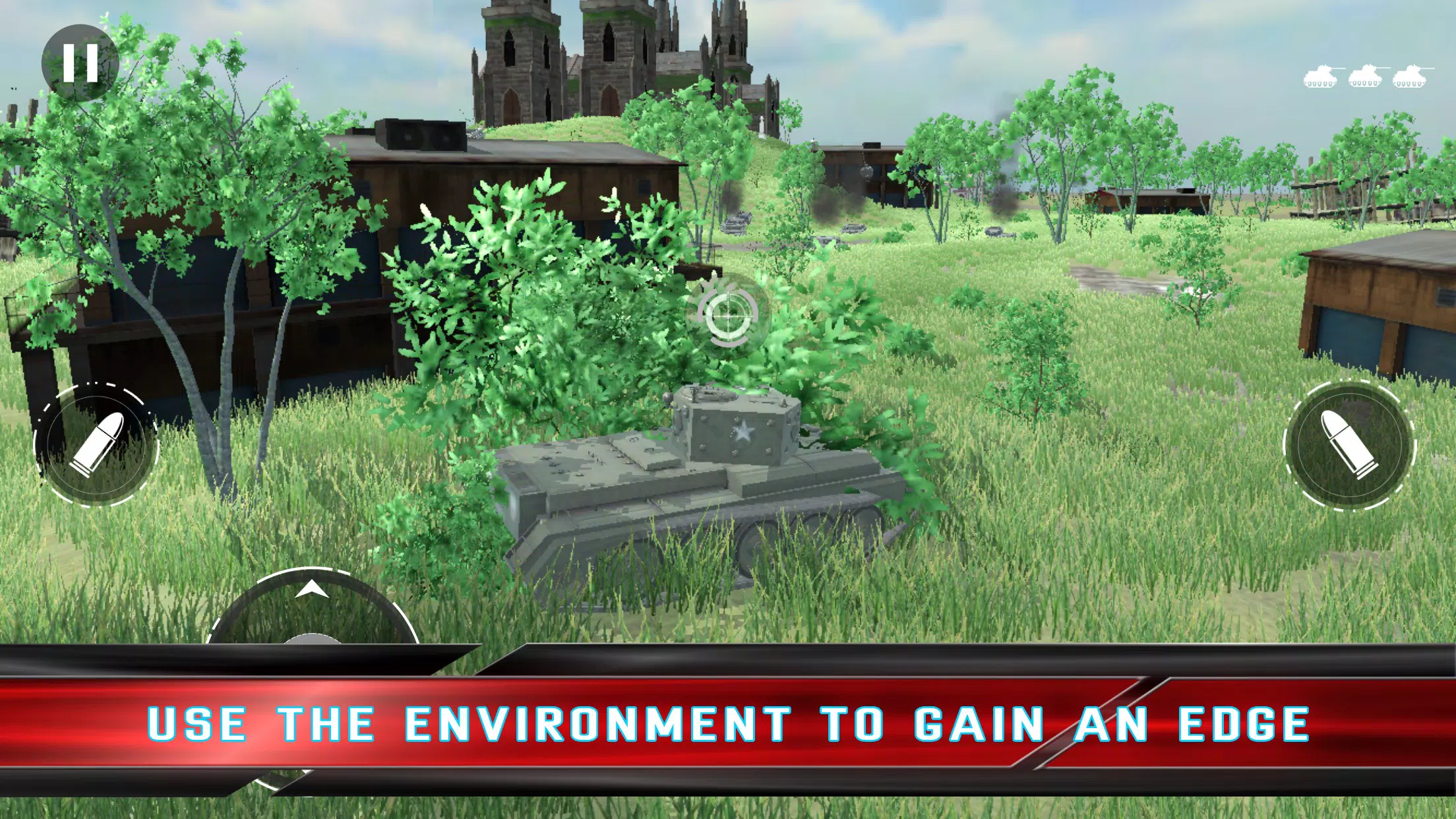
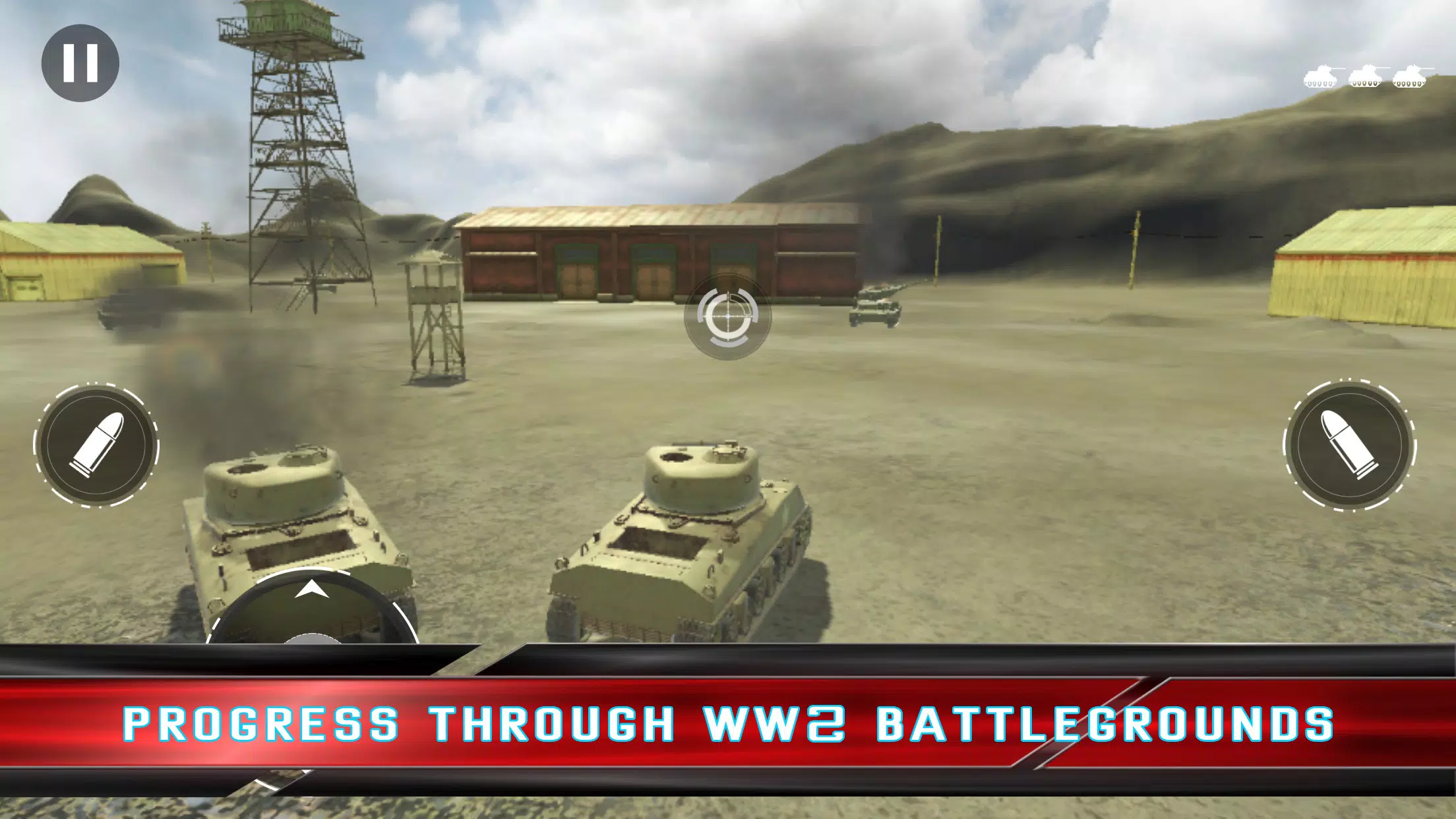
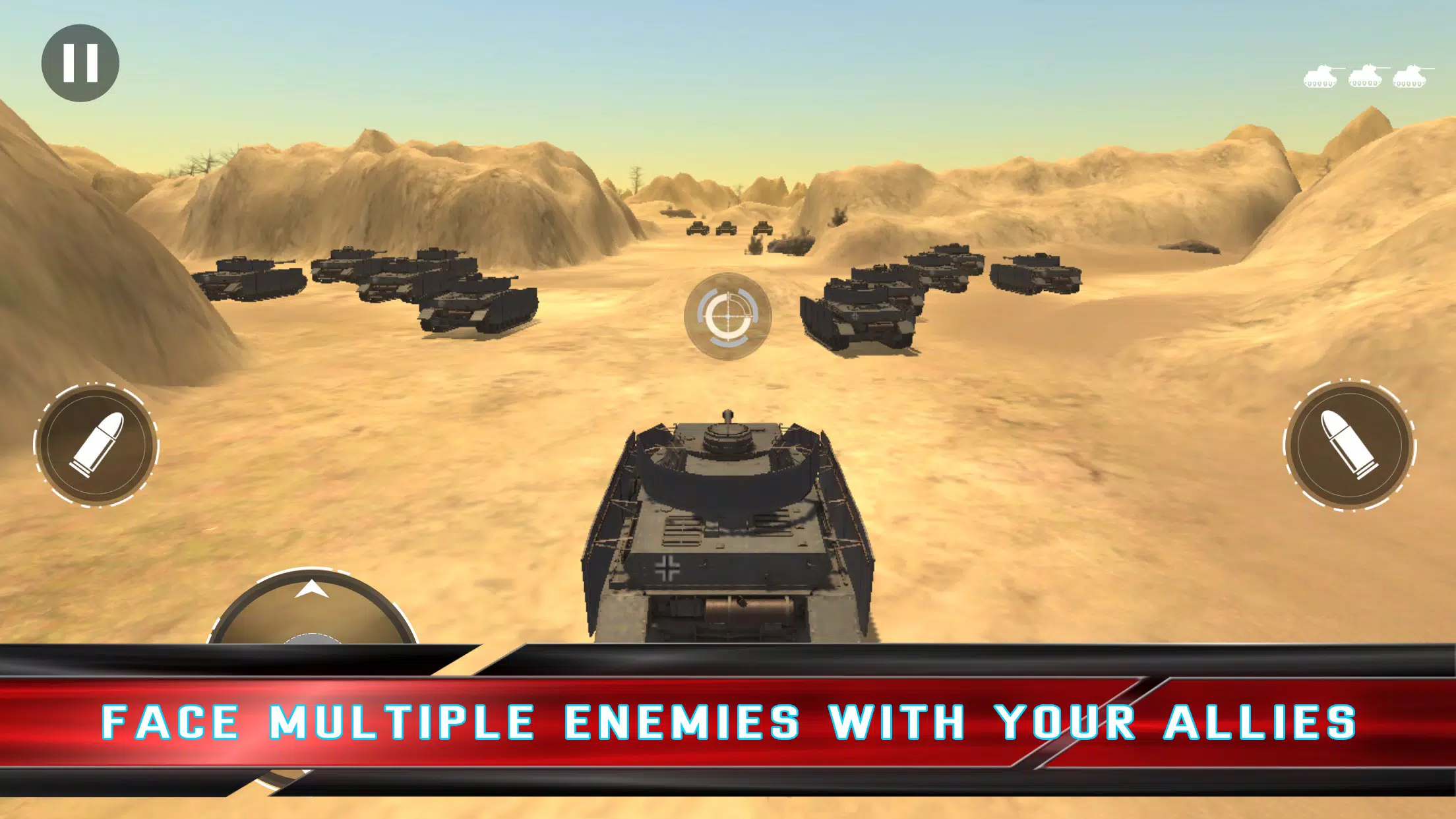
Battlefields in Panzer Battle are designed to encourage distinct tactical choices: narrow urban districts emphasize close-quarters maneuvering and flanking, open plains favor long-range duels and artillery-style play, and forested flanks provide cover for ambushes. Objective-based modes include capture-and-hold and escort-style missions that require coordinated advances, while faster skirmish options deliver elimination rounds for quick sessions. Dynamic elements such as destructible cover and variable weather shift sightlines and movement routes mid-match, asking players to adapt their plans as terrain and visibility change.
Progression and vehicle collection
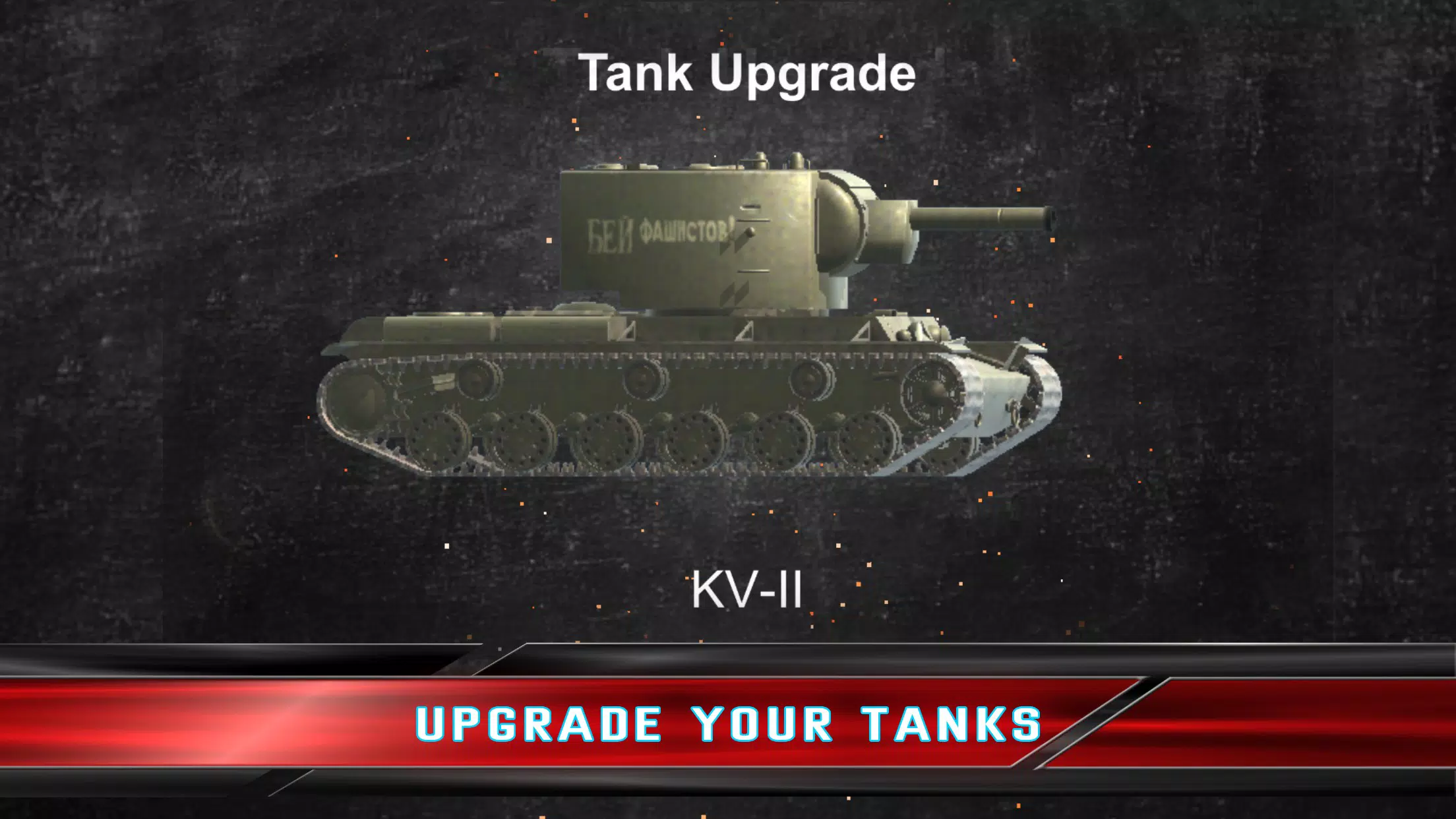
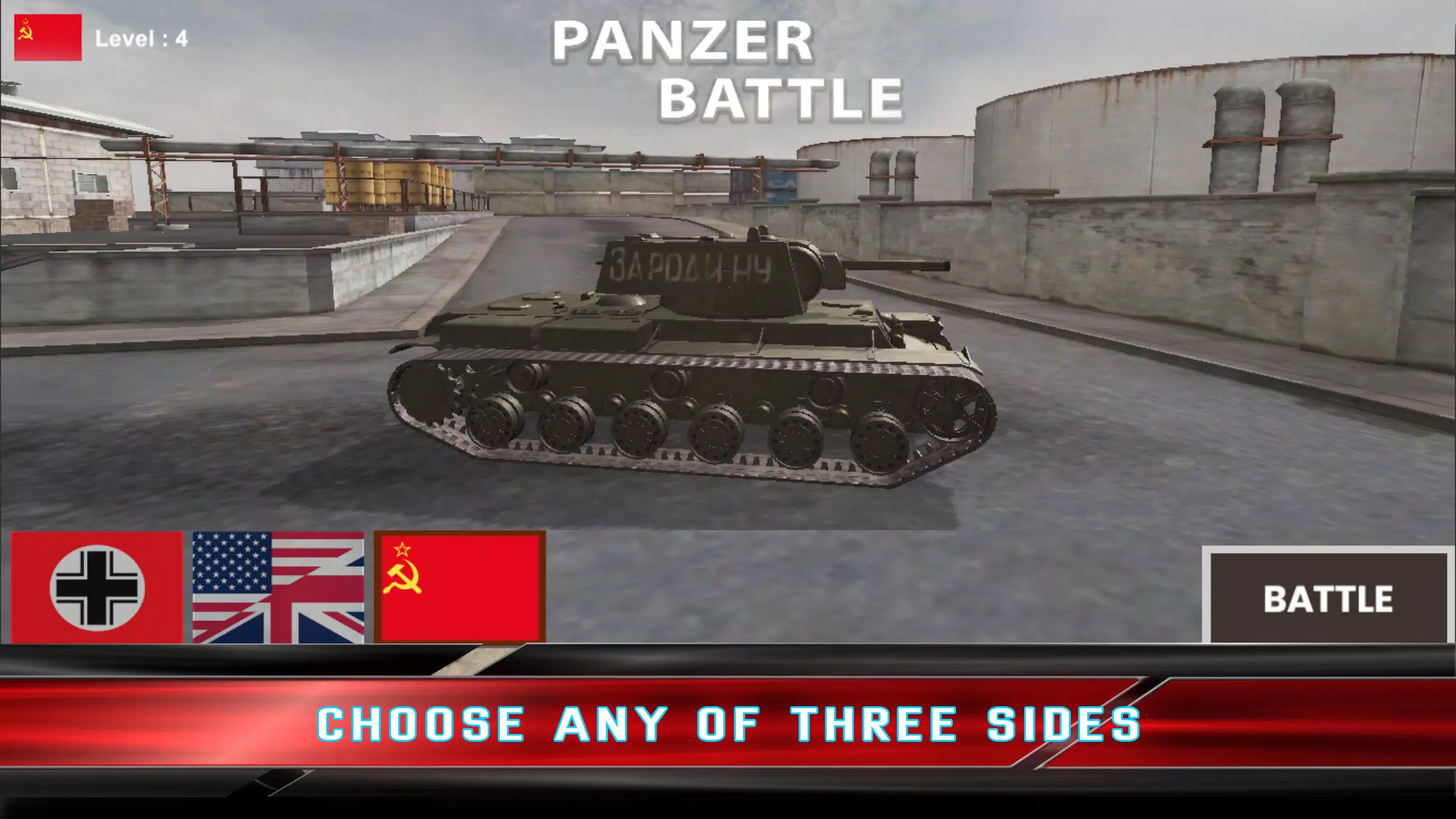
Progression blends a tech tree with unlockable chassis, modules, and special equipment so players feel consistently rewarded without being overwhelmed. Experience gained in battles opens new upgrade branches and vehicles, and you can invest in paths that specialize a platform for reconnaissance, long-range fire support, or brawler setups. Rather than simple linear power increases, choices focus on role definition: selecting a particular upgrade may improve mobility at the cost of protection or grant enhanced targeting systems that change how a vehicle is used on the field.
Customization and loadouts
Customization is both practical and visual: each vehicle accepts a primary cannon, secondary armament, defensive modules, and mobility enhancements to tailor behavior for specific engagements. Cosmetic options—paints, decals, and emblems—let you personalize appearance without affecting balance. Loadout presets let you switch roles between rounds quickly, so you can move from scouting to harassment to heavy-hitting support without long menu dives. Careful loadout design is a meaningful part of strategy, allowing you to counter enemy tendencies or shore up team weaknesses.
Controls, interface, and accessibility
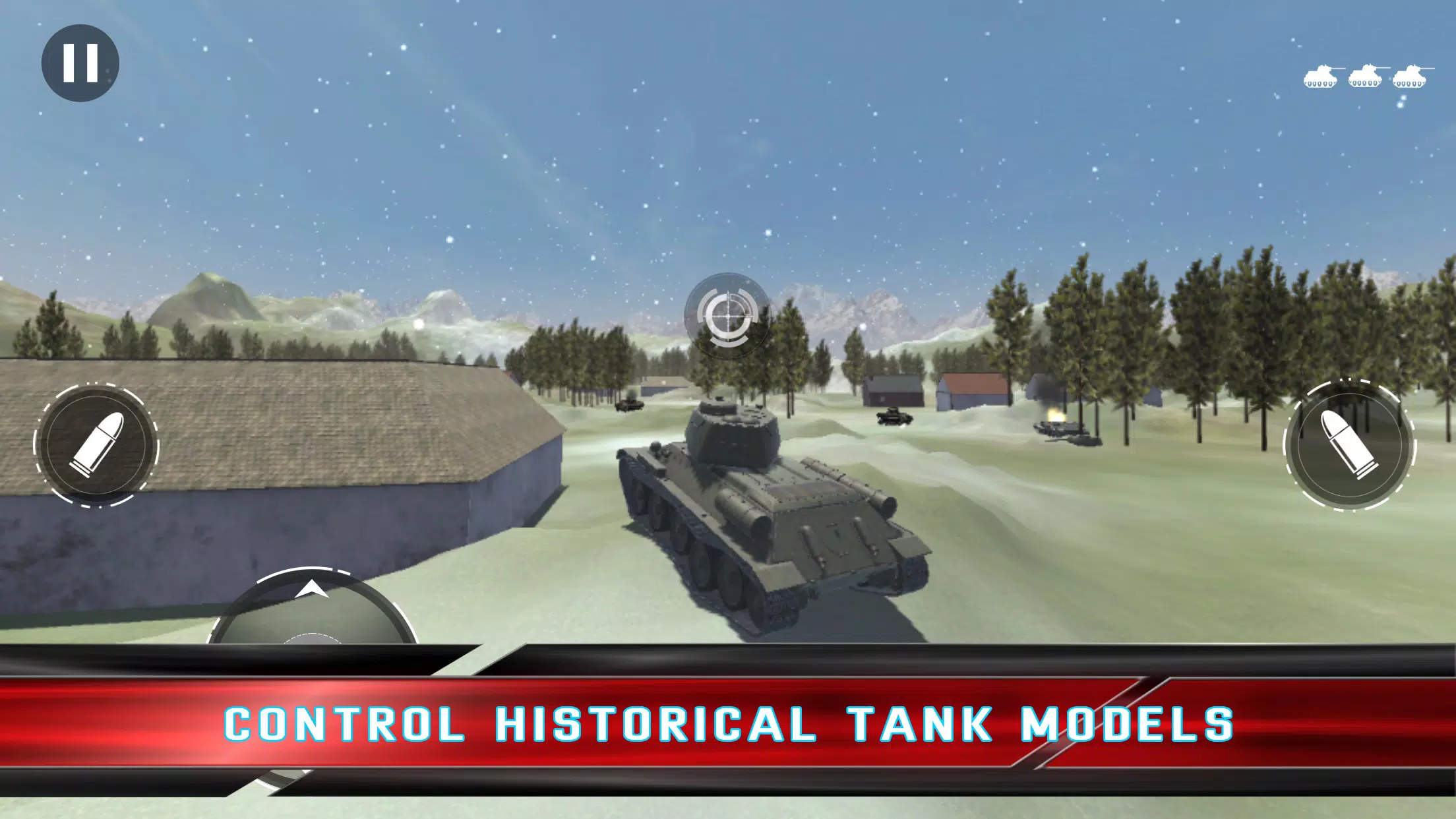
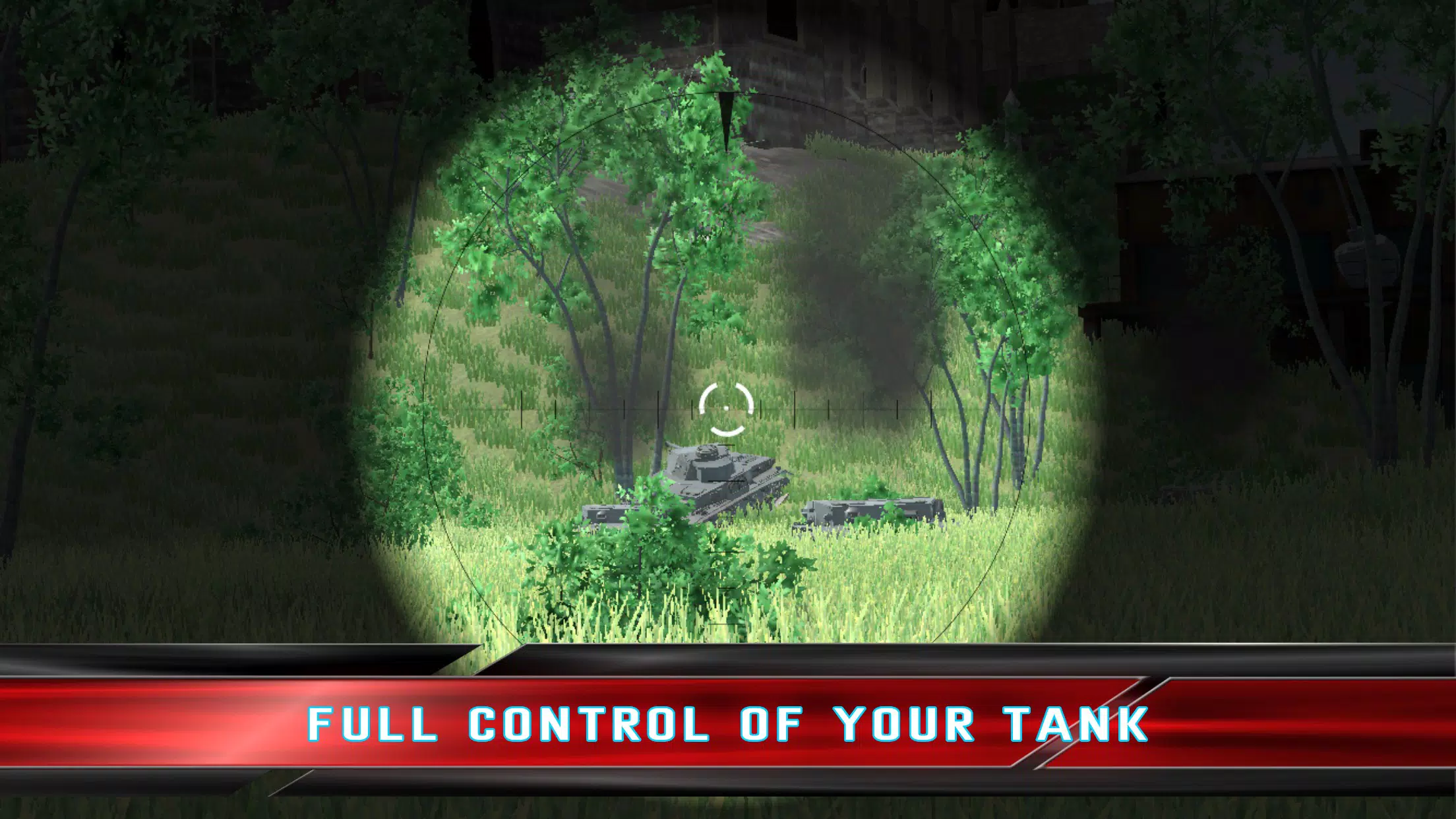
Controls are tuned for touchscreens with support for alternative layouts and controllers for players seeking precision. The HUD prioritizes clarity: health, a minimap, target indicators, and ability cooldowns are visible without obscuring the central view. Performance scaling ensures the game runs well across a wide range of devices—lower-end phones can disable advanced visuals to preserve frame rate while higher-end hardware benefits from enhanced textures and shadows. Accessibility options include adjustable control sensitivity and UI scaling so players with different needs can find comfortable settings.
Graphics, audio, and user experience
Visuals blend stylized realism with readability; tanks show detail up close while particle effects and smoke heighten the impact of shots without disrupting clarity. Audio cues—engine noise, directional impacts, and crew chatter—aid situational awareness by helping you locate threats beyond line of sight. Together these elements create an immersive battlefield atmosphere that supports decision-making and keeps the action intelligible during chaotic moments.
Replay value, challenge systems, and single-player options
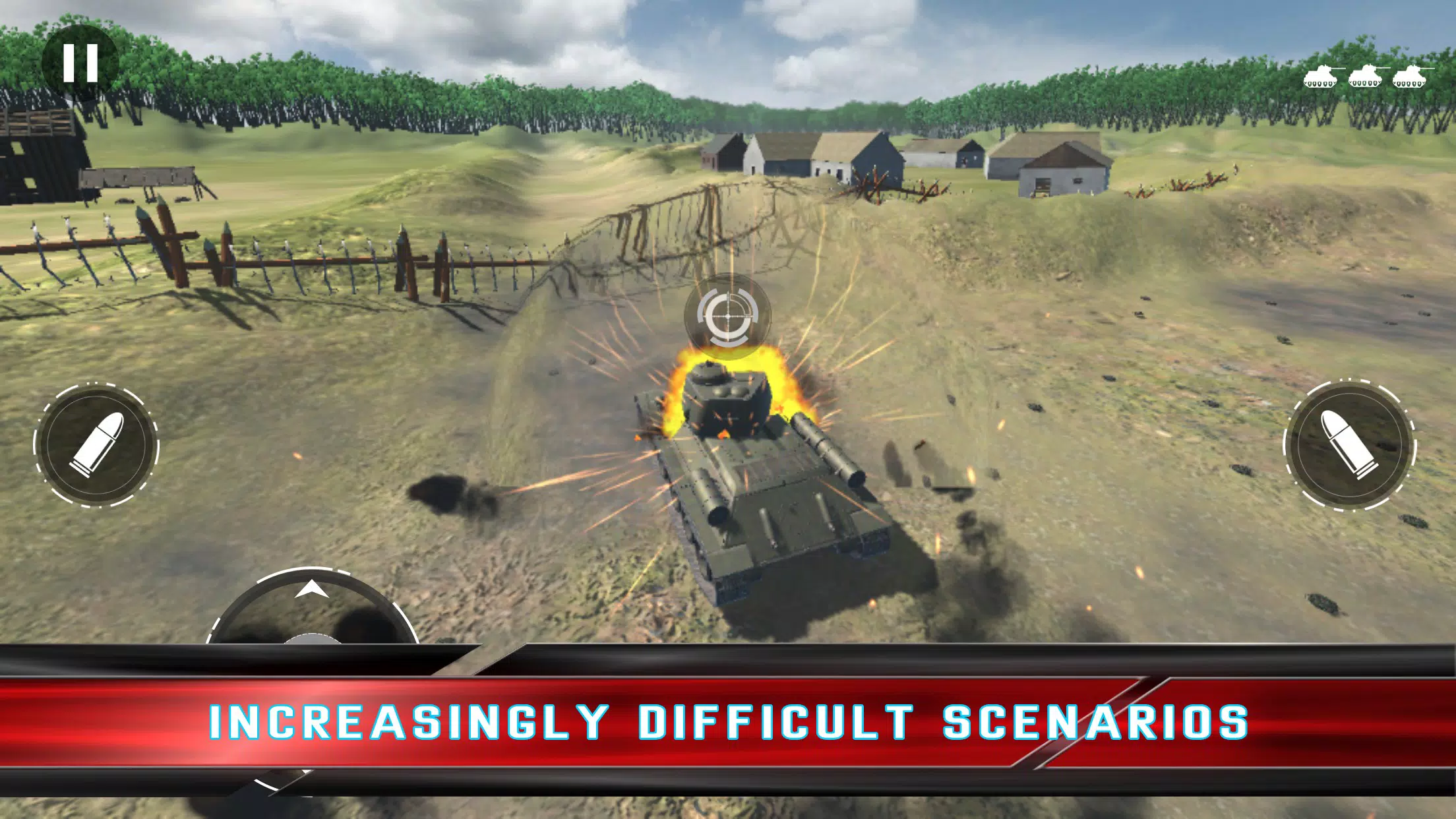
Replayability comes from diverse vehicle choices, evolving maps, and a steady stream of unlocks that encourage experimentation. Challenge systems include scenario-based AI drills that teach mechanics and test new builds, and seasonal events introduce time-limited objectives and rewards to shift the meta. Solo players can practice against AI in offline scenarios to learn maps and refine tactics, while casual and competitive options accommodate different session lengths and skill goals.
Community features and ongoing support
Panzer Battle receives regular balance updates and community-driven events that keep progression meaningful and the gameplay loop engaging over time. Friend invites, team coordination tools, and periodic content updates help maintain a dynamic environment where players can form groups, test strategies, and track improvements across matches. These steady improvements and social tools combine to make the experience approachable for newcomers and deep enough for more committed players.
Overall, Panzer Battle delivers layered armored combat that rewards planning, adaptability, and steady progression; the combination of tactical mechanics, flexible customization, and accessible controls makes it a robust mobile option for fans of vehicular strategy and action.
Show More