Tricky Story: Friendly Help
Version:1.18
Published:2026-10-14
Introduction
Tricky Story: Friendly Help is a brain-testing puzzle app that transforms everyday scenes into short, clever riddles that invite lateral thinking. In Tricky Story: Friendly Help each level presents a small scenario, a handful of interactive elements, and a solution that usually requires intuition rather than fast reflexes. This editor introduction explains how the game supports short sessions, gentle difficulty ramps, and a hint system that nudges your reasoning without giving away answers entirely.
Gameplay and Controls
The core gameplay in Tricky Story: Friendly Help revolves around single-screen puzzles where observation and creative solutions matter more than tapping speed. Most interactions are simple: tap objects to inspect them, drag items to new positions to reveal hidden clues, or swipe to examine alternate viewpoints. Prompts highlight interactive areas without dominating the scene, and puzzle rules are introduced gradually so you rarely face unfamiliar mechanics mid-level. The interface keeps gestures minimal and predictable, letting you concentrate on solving the riddle rather than learning controls.
Progression and Level Structure
Levels are organized into compact sequences that teach new concepts gently and then combine them in later scenes. Early chapters offer straightforward situations to build confidence in noticing visual hints and testing unorthodox solutions; later chapters present multi-step or deceptive scenarios that require chaining observations together. Unlocking new scenes is paced to reward consistent play and exploration rather than repeated brute-force attempts, and optional intermediate checkpoints help players return to a puzzle later without losing context.
Visual Style and Presentation
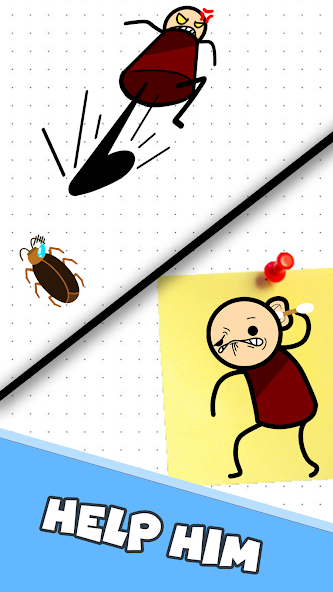
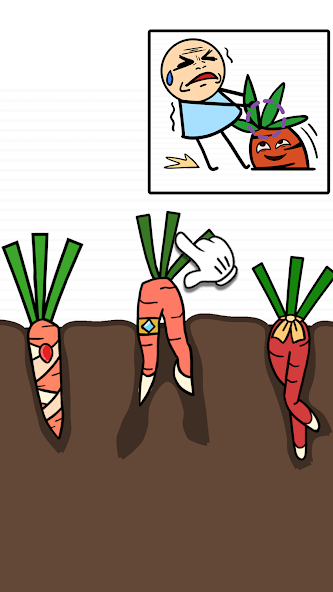
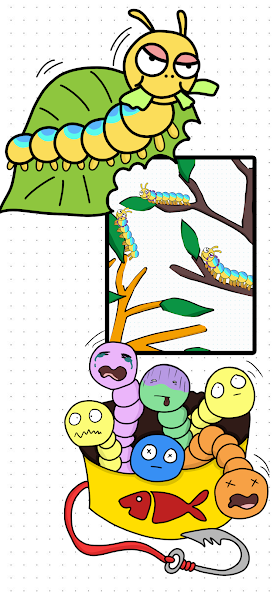
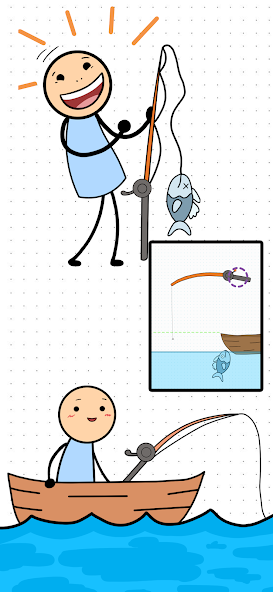
The visual approach emphasizes clarity and everyday contexts so that clues stand out immediately. Scenes use simplified, readable art and restrained color palettes that reduce clutter and draw attention to important props and gestures. Subtle animations provide feedback when you interact with elements and help communicate cause-and-effect relationships, while typography choices prioritize legibility for longer hint text. Overall the presentation supports thoughtful inspection of each scene rather than flashy effects that could distract from solving the riddle.
Customization, Accessibility and Settings
Tricky Story: Friendly Help includes practical options to make play comfortable for different users: toggles for sound and music, a couple of theme choices for the interface, and adjustable text size to improve readability. Accessibility considerations are built in with larger touch targets, high-contrast mode, and clear labeling of interactive items so players with vision or dexterity differences can engage with puzzles. Hint wording is concise and progressively revealing, allowing players to request help without having the answer handed to them outright.
Replay Value and Challenge Systems
Replayability comes from puzzles that often allow multiple valid solutions and from intentionally embedded alternate approaches that reward experimentation. There is no strict timer on core puzzles, which encourages methodical thinking and pattern recognition instead of rushed guessing. The challenge system focuses on discovering different lines of reasoning: once you solve a scene you can go back to look for secondary solutions or to test how small changes in your approach produce different outcomes, making previously solved levels feel fresh when revisited.
User Experience and Practical Notes
The overall experience is designed for short bursts or longer stretches of focused thinking, making it suitable for commutes, breaks, or quiet brainstorming sessions. Tricky Story: Friendly Help minimizes data use and supports offline play for most content, so puzzles remain accessible without a stable connection. The interface explains what to try next in plain language, and a graduated hint system helps you learn problem-solving patterns rather than just handing over answers. Regular players will appreciate a steady learning curve, clear visual design, and puzzles that encourage seeing ordinary situations from new angles.
Why the Game Fits Casual and Puzzle Players
Whether you enjoy quick brainteasers or slow, thoughtful problems, the game balances accessibility with conceptual depth: sessions are short by design, interactions are simple, and the puzzles reward curiosity. Tricky Story: Friendly Help makes lateral thinking approachable through everyday scenarios, repeatable solutions, and an interface that reduces friction, so you can sharpen observation and creativity without a steep learning curve.
Show More