My Hero Idle
Version:1.7
Published:2026-10-14
Introduction
My Hero Idle is a mobile idle RPG game that blends one-touch, automated combat with layered progression systems. In My Hero Idle you collect a diverse cast of heroes, tune their abilities and gear, and send teams into stages that continue to generate rewards while you’re away. The description below explains core mechanics, controls, progression paths, and the user experience so you can decide whether this game fits your play style.
Core gameplay loop
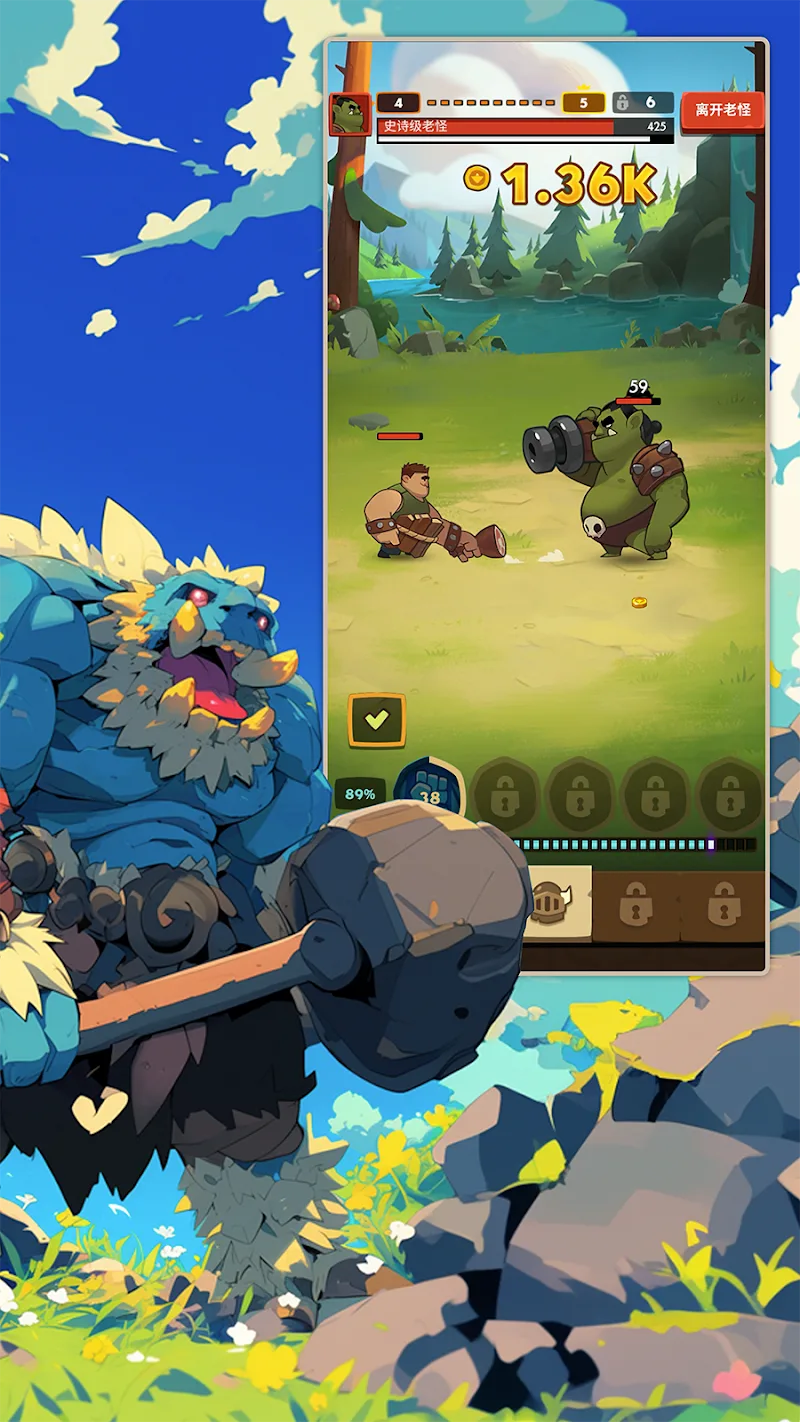
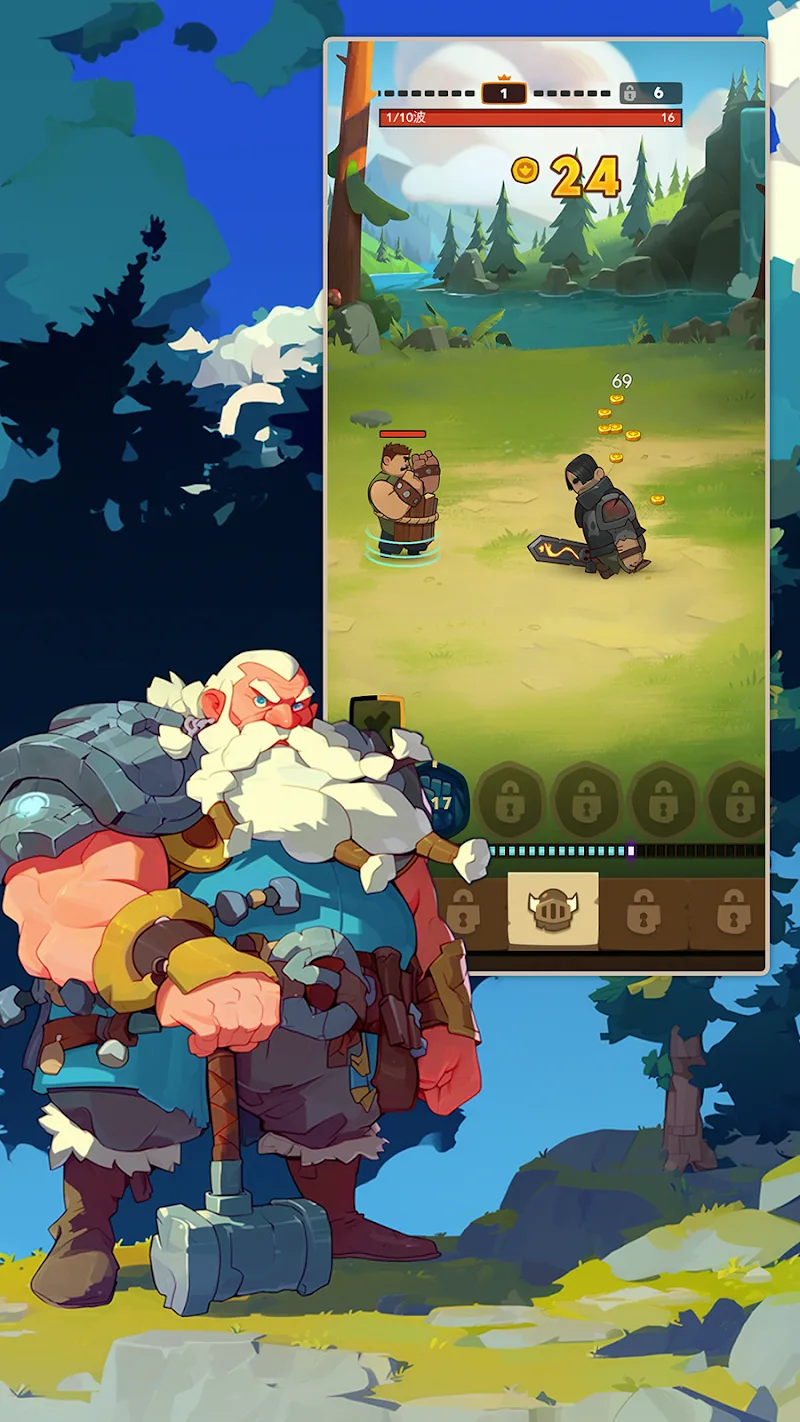
Combat in My Hero Idle is designed around preparation and occasional intervention rather than constant twitch play. You assemble a team, select a stage, and watch the encounter resolve with clear visual cues for important events. The idle loop rewards smart upgrades: characters gain experience and resources during runs, and those gains accelerate as you refine formations and equipment. Short active sessions let you trigger powerful skills, reposition heroes for tactical advantage, or cancel and restart runs when you need to adjust your approach.
Heroes and strategic roles
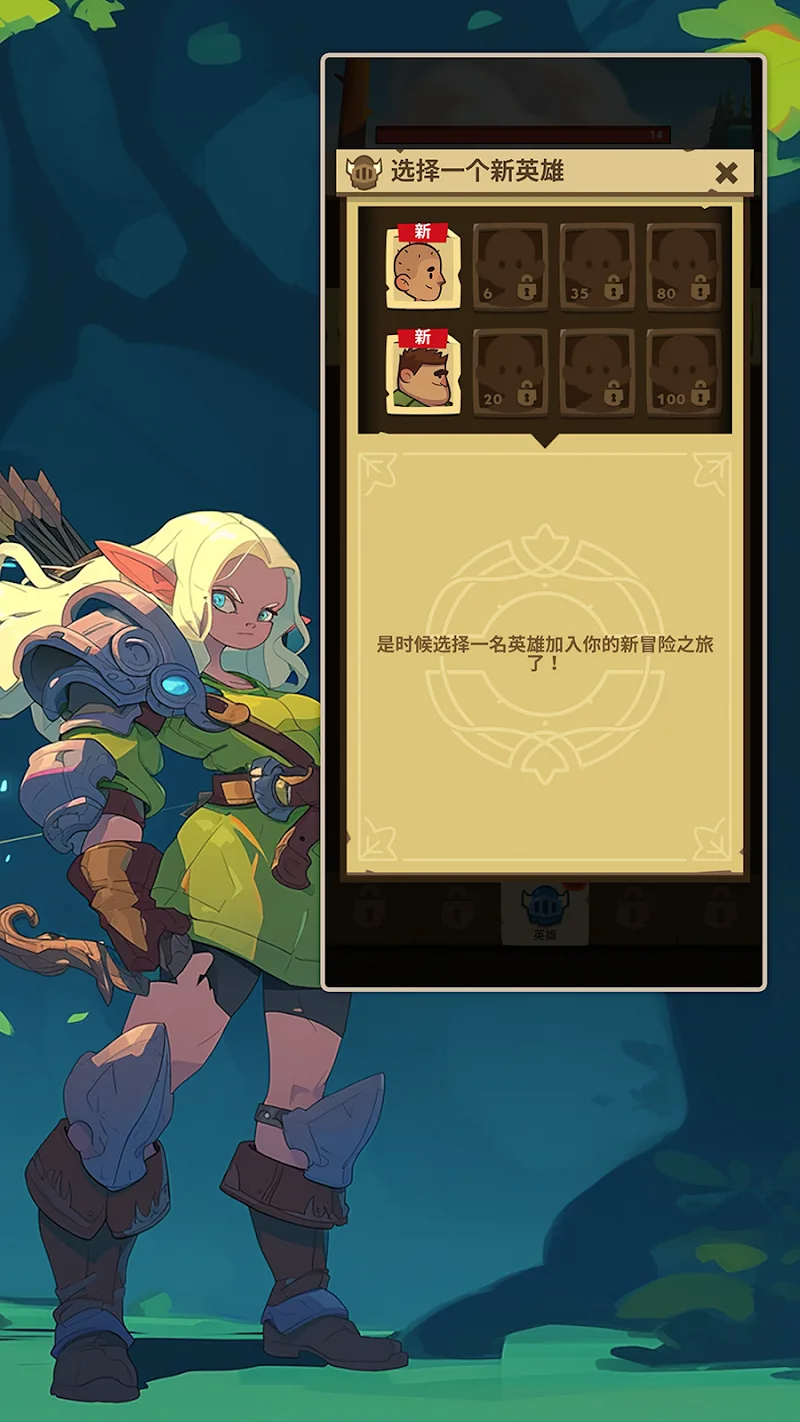
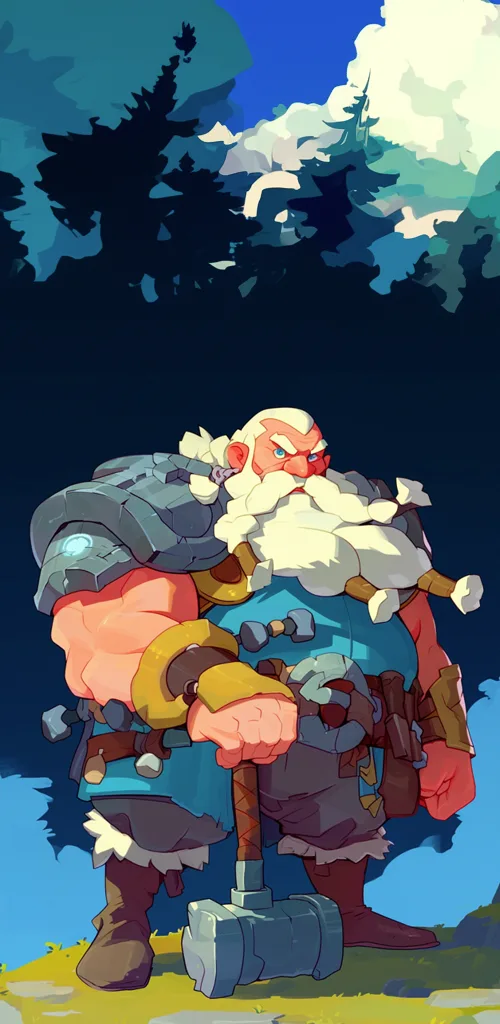
The hero roster covers archetypes you expect from a tactical idle RPG: tanks who soak damage, damage dealers who focus single-target or area bursts, healers who sustain the party, and buffer/debuffer supports that change the flow of combat. Each hero has signature skills and passive bonuses that interact with others, so building synergies is more meaningful than relying on a single high-rarity unit. Rarity affects growth potential and unlockable abilities, encouraging players to choose a manageable core roster while experimenting with new additions.
Progression and customization
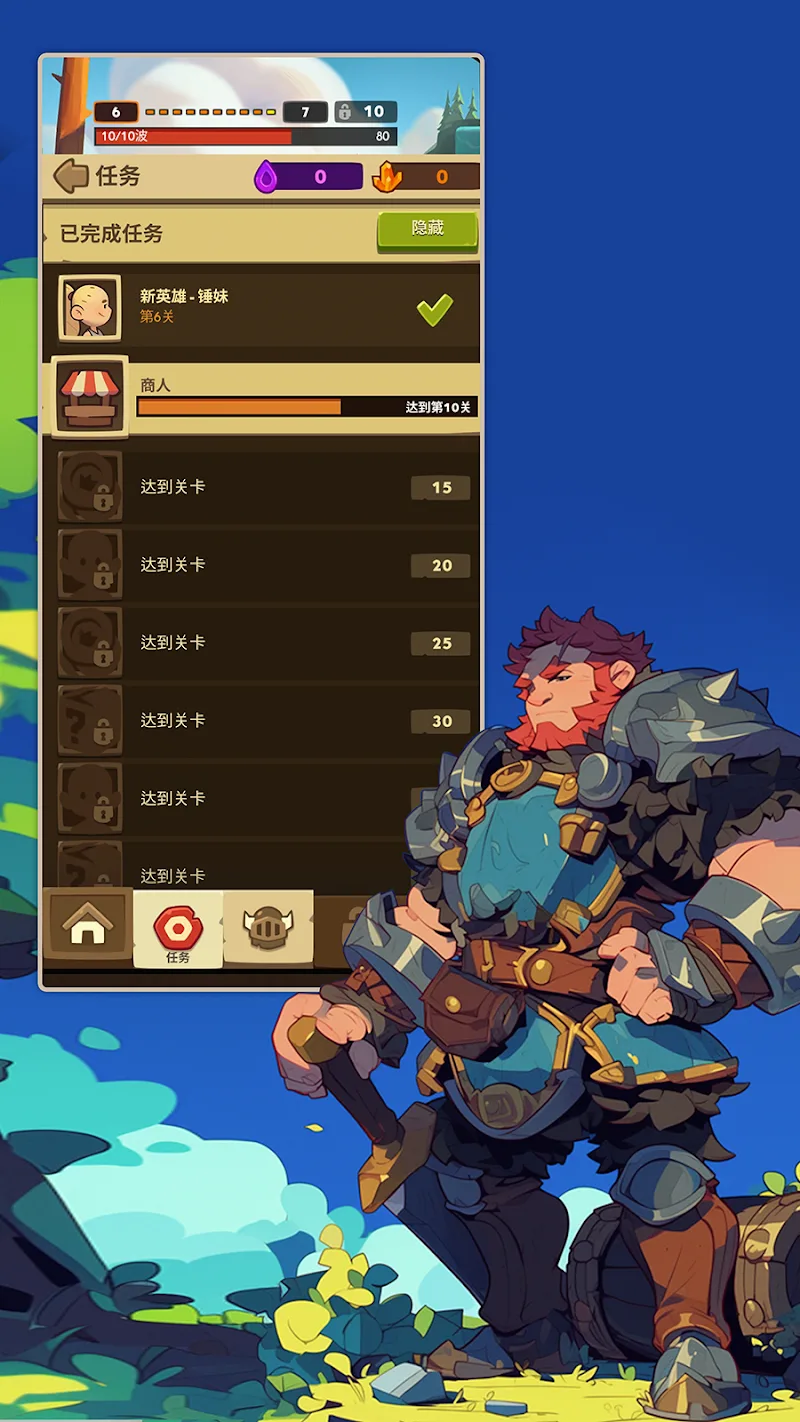
Progression in My Hero Idle spans several interconnected systems. Leveling raises base stats while skill upgrades reduce cooldowns or increase potency. Equipment and artifacts provide modular stat changes and occasional special effects, and promotion or ascension systems raise stat caps and enable new skill modifiers. Talent nodes or branching upgrades let you steer a hero toward specific roles, and many players maintain multiple loadouts for quick-farm builds versus boss-focused configurations.
Controls, interface and accessibility
Controls emphasize simple taps and occasional swipes for in-run commands; most play is automated so the interface focuses on clarity and quick access to upgrades. Menus for recruitment, enhancement, and stage selection are organized to minimize friction as your roster grows. Accessibility options include adjustable text sizes and graphic-scaling settings to improve readability on different devices. An auto-battle toggle and configurable notifications make it easier for casual players to enjoy progress without micromanagement.
Stage structure and challenge design
Stages range from short, repeatable farms to multi-wave arenas and boss encounters with distinct mechanics. Environmental modifiers and special rules appear in later stages and event maps, asking you to adapt lineups or timing to overcome new threats. Challenge maps rotate periodically and present curated conditions that reward counterplay and clever team composition rather than just raw levels.
Offline progress and session design
My Hero Idle supports meaningful offline progression: runs continue to accumulate rewards for a limited time while the app is closed, allowing you to return and spend resources without losing ground. Active sessions are intentionally short so that you can jump in to manage critical fights or switch strategies and then let the idle systems take over again. Settings allow you to cap offline gains or adjust run lengths to suit your daily routine.
Visuals, audio and performance
The visual presentation pairs colorful character art with readable combat effects so you can follow fights on smaller screens. Animations are punchy and focused, avoiding excessive clutter while still conveying the impact of abilities. Audio cues highlight key moments such as ultimate activations and boss phases. Performance options let you scale effects and resolution to balance battery life and smoothness across a range of devices.
Replay value and seasonal content
Replayability comes from optimizing teams for different stage rules, pursuing long-term promotion goals, and experimenting with alternate builds as you unlock new heroes. Regular updates and seasonal events introduce limited-time maps and rewards that shift the meta and encourage returning to older content with fresh strategies. The mix of idle progression and tactical choice creates longevity for both casual players and those who enjoy deeper optimization.
Practical tips for new players
Early on, focus on a balanced squad with at least one durable frontline and a source of sustain; prioritize core upgrades for a small group before spreading resources thin; observe boss patterns to time interrupts and ultimates effectively; and participate in events to accelerate resource gains. My Hero Idle is approachable for newcomers while offering enough depth for players who enjoy refining synergies and experimenting with different equipment and talent choices.
Show More