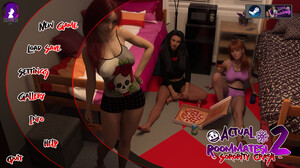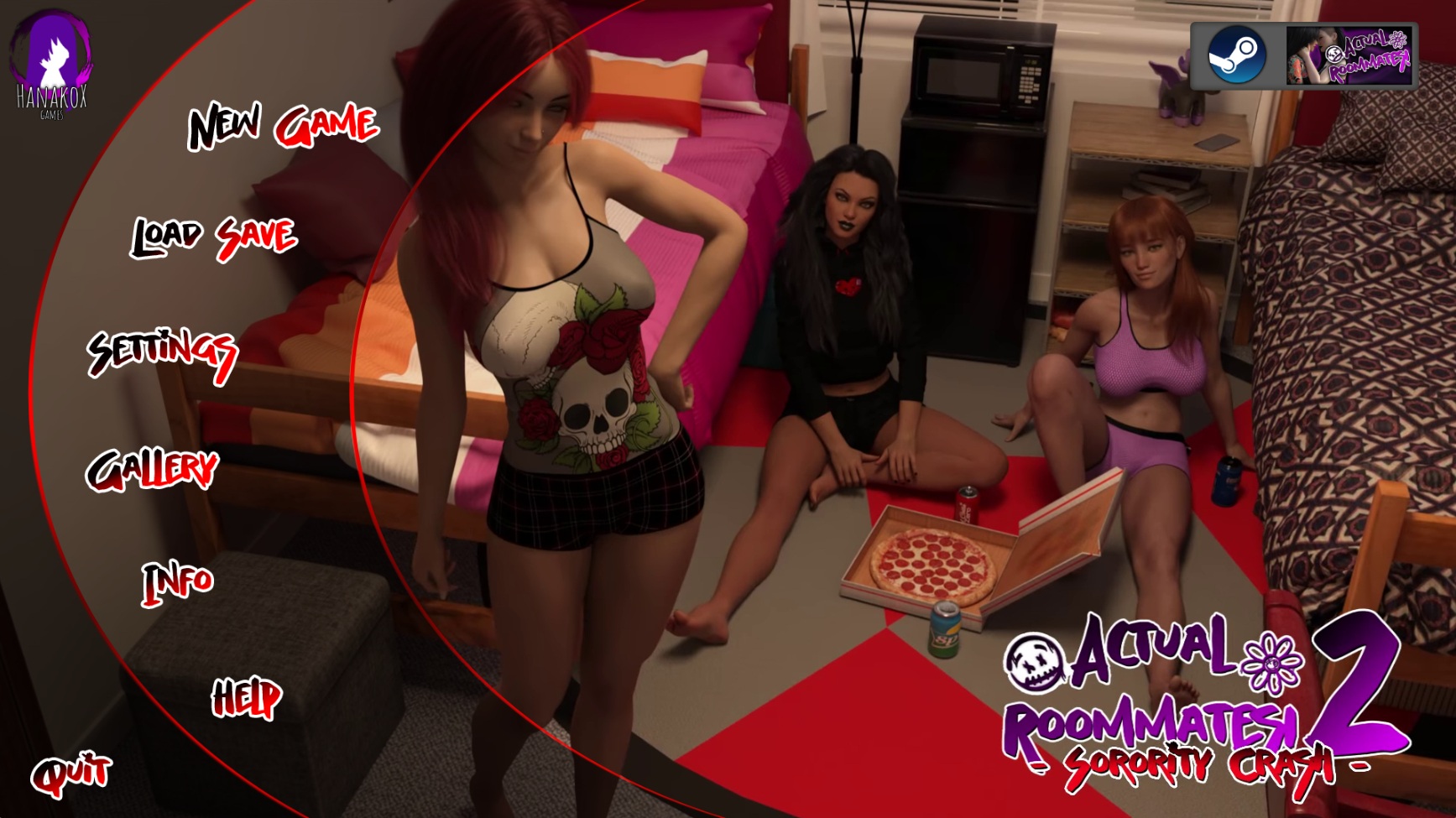
Actual Roommates 2
Version:1.0
Published:2026-10-14
Introduction
Actual Roommates 2 is a single-player, narrative-driven life simulation designed for mobile devices, where players manage shared living, personal routines, and interpersonal relationships inside a detailed apartment setting. The game focuses on everyday choices and branching dialogue to create small, meaningful moments that build into longer story arcs; Actual Roommates 2 emphasizes pace, character interaction, and emergent consequences rather than competitive or online systems.
Core gameplay and daily systems
Gameplay centers on a repeating loop of daily tasks and social interactions: wake up, complete chores, work a job or side activity, and respond to roommate requests and events. Days are divided into time blocks that the player allocates among activities, and those allocations affect available story beats and character availability. Choices range from brief conversational options to deciding whether to prioritize a work shift or a shared social event, and those decisions influence long-term character arcs and apartment conditions. The systems are designed to reward planning and experimentation rather than fast reflexes.
Characters and relationship mechanics
A diverse cast of roommates and neighbors populate the apartment and nearby community, each with their own schedules, quirks, and hidden objectives. Relationships are tracked through multiple meters—affinity, trust, and compatibility—that change based on actions, favors, and conflicts. Dialogue often contains subtext and layered outcomes, so a single choice may shift future interactions in subtle ways. Deepening bonds opens cooperative tasks, unlocks private scenes, and reveals backstory, while neglect and recurring conflicts create different narrative branches to explore.
Customization, progression, and apartment systems
Progression in Actual Roommates 2 ties cosmetic and functional upgrades to both currency and milestone achievements. Players earn resources through daily work, completing personal quests, and participating in community events. Furniture and appliance upgrades reduce chore time or provide comfort bonuses that affect characters’ moods and available activities. Decorative themes and new rooms become available as you meet progression thresholds or develop specific relationships, creating a gradual sense of growth that directly impacts gameplay convenience and story possibilities.
Events, mini-games, and challenge systems
To diversify the routine, the game includes recurring events and short mini-games that test timing, coordination, and decision-making under mild pressure. Cooking challenges, organizing a small gathering, and cooperative errands are examples of activities that require prioritization and often influence multiple characters at once. Weekly challenge systems provide optional objectives with unique rewards and encourage players to try varied strategies; these challenges are designed to be approachable and to refresh the experience without forcing repetition.
Controls, interface, and short-session design
Controls are optimized for touch with tap-and-swipe navigation, contextual menus, and clear iconography so most actions can be completed in short sessions. The interface keeps common commands within easy reach and provides quick summaries of character schedules and apartment needs. Tutorials introduce mechanics gradually and optional toggles allow players to simplify mini-games or automate repetitive chores, making the experience accessible for those who prefer a relaxed pace.
Visual style and audio design
The visual presentation favors a warm, stylized aesthetic with expressive character art and readable animations that convey emotion and intent. Color palettes shift to support the rhythm of daily life, with softer tones for quieter moments and brighter accents during social scenes. The soundtrack complements gameplay with unobtrusive melodies that underscore mood and tempo, while sound effects are designed to add personality without overwhelming conversation text or menus.
Replay value, structure, and offline play
Replayability comes from branching narrative paths, alternative dialogue choices, and collectible story beats tied to relationships and apartment upgrades. The game is structured around weekly cycles and longer milestones, encouraging players to revisit earlier decisions to see how changes ripple across weeks. Actual Roommates 2 is primarily a single-player, offline-friendly experience: save data is stored locally and many features are fully accessible without an active network connection, which supports play on the go and in low-connectivity situations.
Accessibility and device compatibility
Accessibility options include adjustable text sizes, color-blind friendly palettes, and toggles to reduce animation or simplify mini-games. Performance scales to accommodate a wide range of Android hardware: graphics detail can be lowered to preserve frame rate on older devices, and there are settings to limit background processes and reduce battery usage during extended play. The game maintains conservative storage requirements while offering optional content downloads to manage space.
Getting started and strategy tips
New players should begin by meeting each roommate, completing the initial tutorial chores, and selecting one personal goal to pursue during the first week. Early investments in shared appliances and thoughtful time allocation yield long-term convenience, and revisiting days with new choices reveals hidden scenes and branching outcomes. Experiment with dialogue and event participation to discover alternative storylines and to unlock the full range of apartment customization and character content.
Show More