My Summer Dream
Version:0.0.1
Published:2026-10-14
Introduction
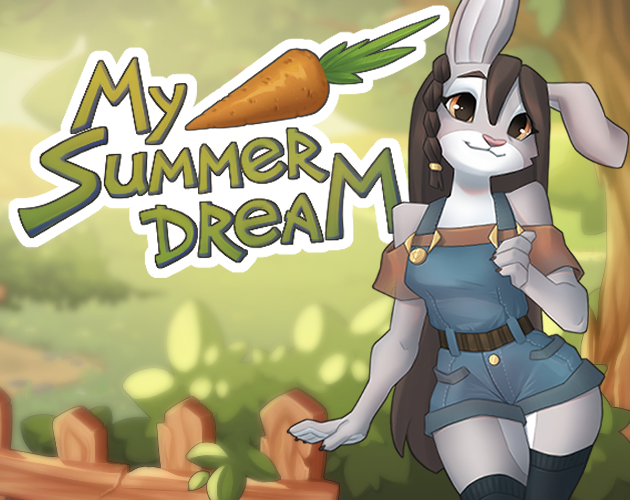
My Summer Dream invites players into a sun-soaked life-simulation where you restore a beachside town, manage relationships, and build a dream retreat at your own pace. In My Summer Dream you’ll combine narrative quests, light resource management, and seasonal events to shape a small community across days and changing weather, making it a relaxing single-player experience suitable for short sessions or longer, deliberate play.
Fresh take on cozy simulation
This game favors slow-burn progression over twitch-based action. Tasks are designed so each decision — which building to repair first, which villager to help, or how to invest limited materials — has visible consequences for the map and for who you meet. The pacing encourages planning and exploration rather than repetition, and optional goals let you set a comfortable tempo without feeling forced to grind.
Core mechanics and gameplay
Core systems interlock around gathering, crafting, and quests. You collect basic materials from the environment, use recipes at workbenches to produce upgrade parts, and spend those parts on infrastructure or decorative projects. Daily quests and episodic story missions guide progression while offering items, experience, and new dialogue. Reputation and relationship meters track how NPCs respond, opening new conversations and event triggers as you invest time in particular people.
Level structure, maps, and exploration
The seaside setting is divided into distinct zones — docks, promenades, residential lanes, and hidden coves — each with its own resources and small local stories. Repairing pathways and restoring facilities unlocks further areas. Exploration is deliberately paced: returning to a location at a different time of day or season reveals new interactions and occasional rewards, encouraging curiosity and a sense of discovery without penalizing casual playstyles.
Characters, narrative, and relationships
Villagers are written with routines and personal goals, and their reactions reflect your choices. Friendship and romance options are handled with restraint, offering emotionally grounded scenes rather than explicit content. Dialog trees reveal backstory through missions and repeat interactions, helping characters evolve in believable ways. These narrative hooks provide incentive to revisit locations and to complete character-driven questlines over time.
Progression, strategy, and challenge systems
Advancement balances immediate needs against long-term benefits: you’ll choose between tools that accelerate gathering or investments that unlock events and new locations. Energy or stamina limits encourage strategic planning across multiple days, while timed seasonal challenges and community-wide objectives introduce temporary goals that shift priorities. Challenges are optional and designed to be approachable; success yields unique decorations, gear, and story moments rather than mandatory power spikes.
Customization and visual style
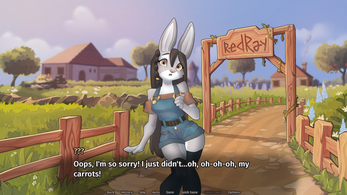
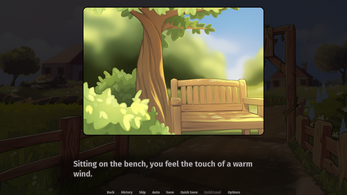
Customization is central to the experience: personalize your cottage, place public decorations, and change outfits with items earned or crafted. The art direction leans on warm palettes and hand-painted textures, producing a cozy, approachable aesthetic that scales well across devices. Visual options include toggles for particle effects and simplified shaders so players on older hardware can prioritize smooth frame rates over high-fidelity effects.
Events, replay value, and long-term engagement
Regular seasonal festivals, short tournaments, and limited-time tasks keep the game environment dynamic and offer exclusive rewards that encourage revisiting earlier areas. Because many systems are non-destructive, you can experiment with different renovation and social strategies and still see meaningful differences in town progression and story outcomes. These design choices support replayability without requiring repetitive grinding.
Controls, performance, accessibility, and offline play
Controls are simple and touch-friendly: tap to interact, drag to arrange items, and use straightforward menus for crafting and inventory. The interface scales cleanly for phones and tablets, with readable icons and adjustable text sizes to help accessibility. Performance tuning minimizes memory use, and an option to reduce visual effects improves responsiveness on older devices. Core gameplay is playable offline for the majority of features; occasional online elements such as optional content updates or event syncs do not block single-player progress.
How to get started and practical tips
Begin with the introductory quests to learn gathering, crafting, and basic renovation. Early priorities should include unlocking a few resource nodes and essential crafting recipes to speed up upgrades. Check the event board daily to make the most of limited-time bonuses, and focus on a couple of character storylines at a time to unlock deeper missions. With a relaxed approach, My Summer Dream offers a steady, rewarding loop of improvement, discovery, and town-building that adapts to different play rhythms.
Show More