Mission: Color
Version:4.0.0
Published:2026-10-15
Introduction
Mission: Color puts you in short, high-energy arcade rounds where the core objective is simple: paint as many tiles as possible before time runs out or opponents reclaim territory. Mission: Color opens immediately with approachable controls and compact match lengths, making it easy to jump in for a five-minute session but still rewarding when you want to perfect your routing and reactions. Each match centers on area control and survival—paint the map, avoid hazards, and outmaneuver rivals to grow the largest contiguous color mass.
Gameplay Mechanics
The gameplay loop focuses on painting tiles to claim territory while avoiding collisions and attacks that force you to restart the current attempt. Movement and painting are tightly coupled so that choosing a path matters: sweeping broad swathes across open areas secures lots of tiles quickly, while snaking through congested zones risks contact with opponents. Encounters are intentionally tense and unpredictable; opponents can change direction or invade your space at any moment, so awareness and adaptable strategies are essential.
Controls and Input
Controls are kept intentionally simple to keep the emphasis on quick reflexes and decision-making. A minimal control set allows for responsive directional movement and a single paint action, with no complex menus or layered inputs to learn. This streamlined control scheme makes the game accessible on touch devices and straightforward to play with simple physical controllers if supported by your device. The result is an intuitive experience where precision and timing matter more than button combos.
Progression and Challenge
Rather than relying on deep progression systems, the game rewards incremental skill growth and situational mastery. Progression feels personal: as you learn map flow and opponent patterns you gain small advantages, and the satisfaction comes from cleaner runs, longer streaks, and higher area percentages. Challenge systems include scaling map layouts and optional difficulty settings that increase opponent aggression or map complexity, giving players a clear sense of improvement without overwhelming newcomers.
Visual Style and Presentation
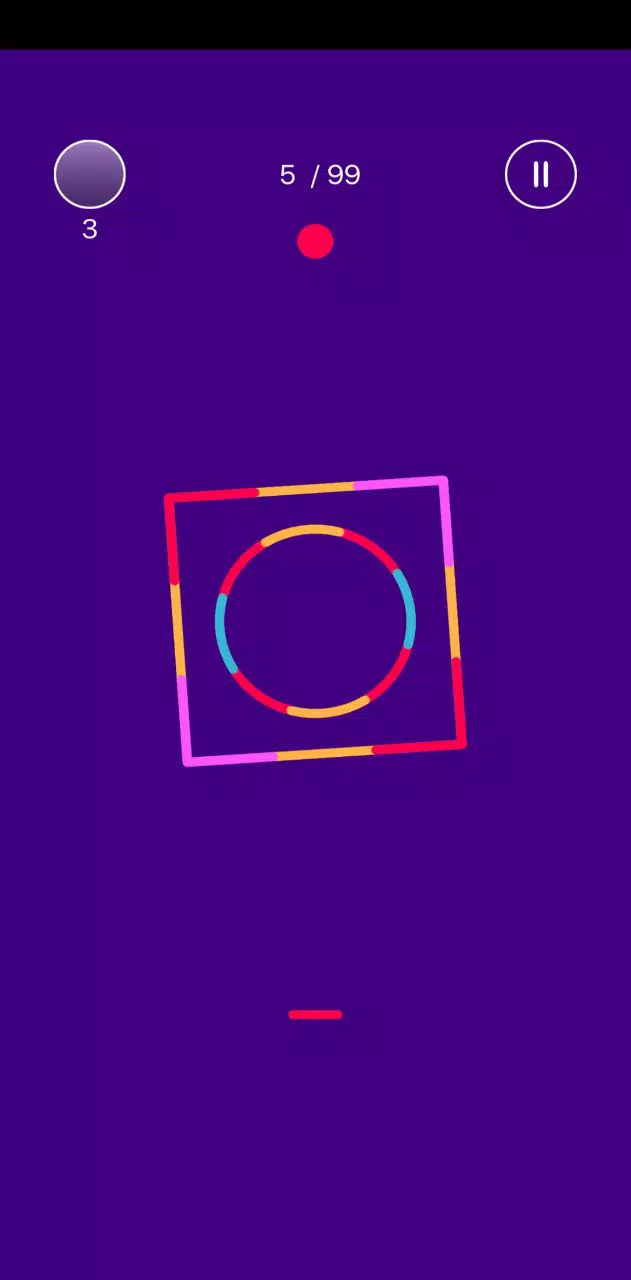
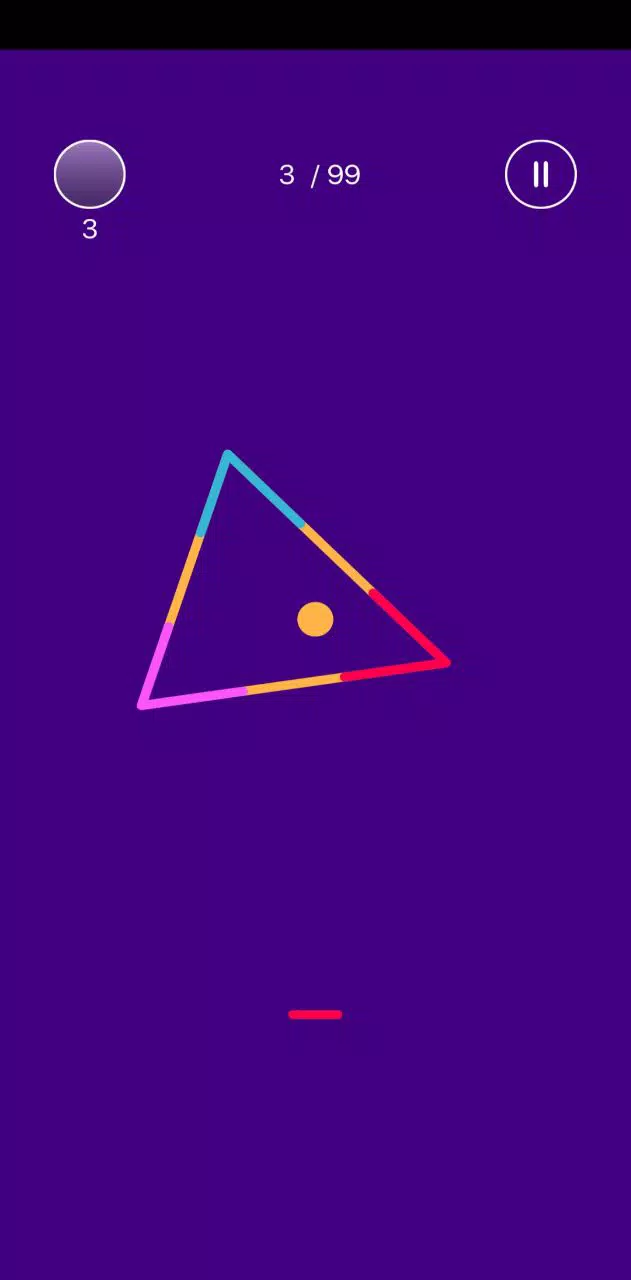
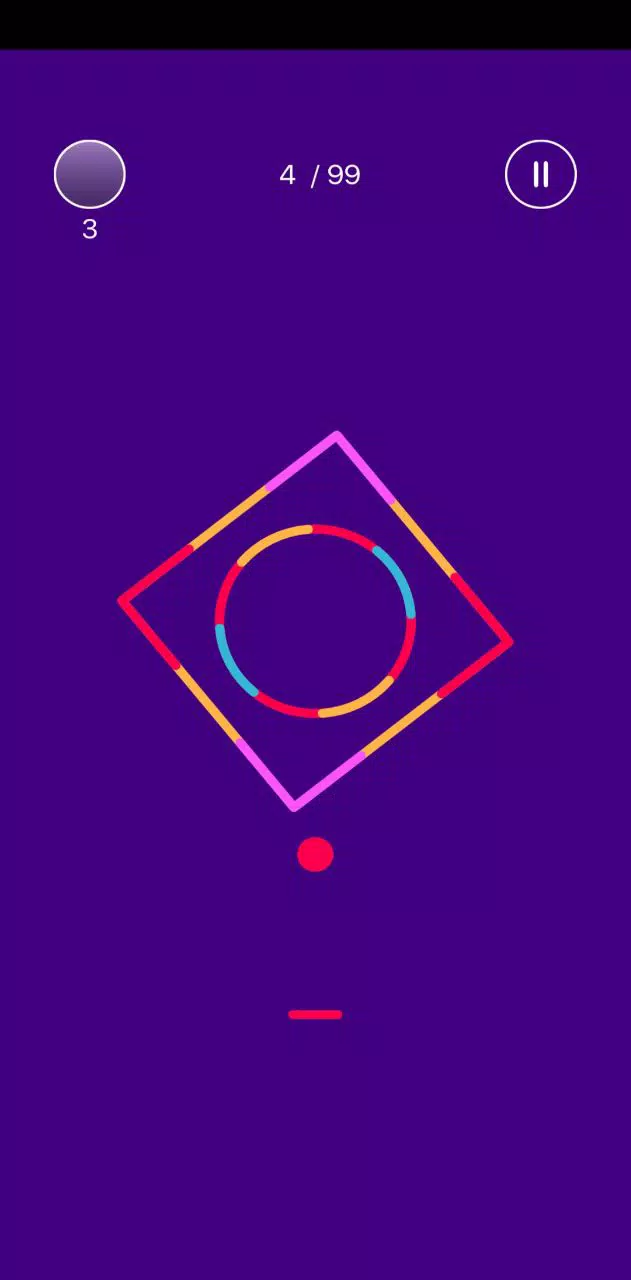
The visual design centers on clear, high-contrast tile palettes and clean animation so that territory boundaries and movement are always readable. Color choices are purposeful to help you identify your area at a glance and to keep visual clutter minimal during hectic moments. Subtle particle effects and smooth transitions provide tactile feedback for painting and being hit, which reinforces immediate cause-and-effect and keeps each short round feeling satisfying.
Level Structure and Match Flow
Matches are deliberately bite-sized, typically lasting only a few minutes to suit casual play sessions. Level layouts vary in size and obstacle placement to encourage different routing strategies: tight mazes reward precision and patience, while open arenas favor sweeping moves and speed. Each map encourages experimentation—replaying the same map often reveals new routes and tactical opportunities as you become more familiar with common confrontation points.
Customization and Accessibility
Customization is focused on clarity rather than complexity; adjustable visual contrast and optional color-blind palettes ensure the tile-based gameplay remains accessible. Control sensitivity and input responsiveness can be tuned to match player preference, allowing both novice and experienced players to find comfortable settings. The design avoids steep learning curves so that accessibility options meaningfully improve playability for a wide audience.
Replay Value and User Experience
Replay value comes from the combination of short rounds, emergent opponent interactions, and the pursuit of cleaner, longer runs. Mission: Color encourages players to refine tactics and experiment with different routing choices, so sessions remain fresh through repeated play. The interface keeps frequent feedback in view—area percentages, immediate respawn consequences, and visual cues that help you quickly understand what went wrong and how to try a different approach next time.
Offline Play and Practical Use
The title is ideal for offline play and short bursts during transit, coffee breaks, or when you only have a few minutes to spare. Because matches are compact and controls are simple, you can play effectively without needing an internet connection. This makes it a convenient option for mobile players who value quick, self-contained gameplay rather than extended campaigns.
Challenge Modes and Practice
Practice runs and escalating challenge modes let you focus on specific skills such as fast painting, avoiding sudden clashes, or holding territory under pressure. These challenge options are designed to be optional: pick them up when you want a tougher test, or stick to casual matches for relaxed play. Together, they help players build confidence and develop the reflexes needed to succeed in more chaotic rounds.
Mission: Color balances immediacy and depth through concise rounds, readable visuals, and mechanics that reward thoughtful movement and sharp reactions. Whether you play a quick round to unwind or aim to shave seconds off your best paint runs, Mission: Color provides a compact, repeatable arcade experience built around area control and reactive play.
Show More