Glass Half Broken
Version:3.1
Published:2026-10-15
Introduction
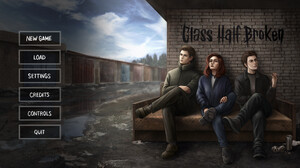
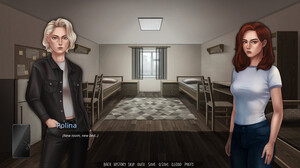
Glass Half Broken opens with Polina, a first-year student from a poor background who relocates to a corrupt industrial city in modern Russia to study economics and attempt to change her circumstances. Glass Half Broken places emphasis on character, conversation, and the slow accumulation of consequences: dialogue choices, relationship management, and moral trade-offs steer Polina's short-term survival and long-term trajectory. The setup examines inequality, hypocrisy and temptation without graphic content, offering a reflective narrative experience for players who prefer thoughtful storytelling over action.
Gameplay and Mechanics
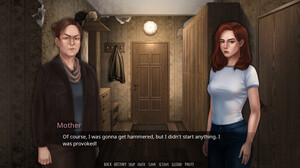
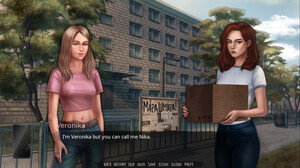
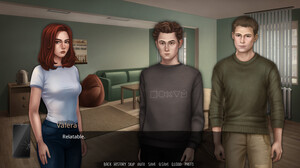
The core gameplay centers on branching narrative nodes and choice-driven scenes. Players navigate conversations by selecting dialog options that reflect Polina's attitudes and priorities; those selections alter relationships with key characters, unlock or close off future scenes, and influence available opportunities. Relationship status and situational resources operate as soft systems that guide which options appear later rather than as rigid meters; the game favors narrative clarity over complex minigames. Glass Half Broken uses consequence-driven mechanics where small choices accumulate, creating different social outcomes and revealing new facets of characters over multiple playthroughs.
Controls and User Interface
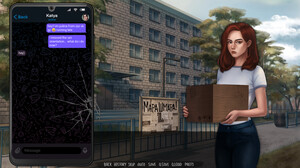
On Android devices the interface is streamlined for touch play: tap to advance lines, tap choices to select responses, and use on-screen prompts to move between chapters. The UI keeps the text readable and places interaction points clearly within scenes so players can focus on character exchanges instead of fiddly controls. Menus provide access to saves and a concise scene index to help you return to important decisions. Audio cues and subtle animations support immersion while keeping the interaction simple and accessible for brief sessions or longer reading stretches.
Progression, Structure, and Replay Value
Progress unfolds through chapter-based episodes that group scenes into thematic sections of Polina's first years in the city. Each chapter presents dilemmas tied to social standing, personal ambition, and moral compromise; choices change the tone of subsequent chapters and can branch toward distinct endings. A modest save-and-reload system allows you to explore different paths without starting over, and the design explicitly encourages repeat playthroughs—different alliances, priorities, and compromises reveal new dialogue and outcomes, making replay valuable for players who want to explore moral complexity from multiple angles.
Visual Style and Audio
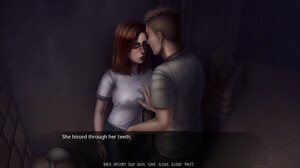
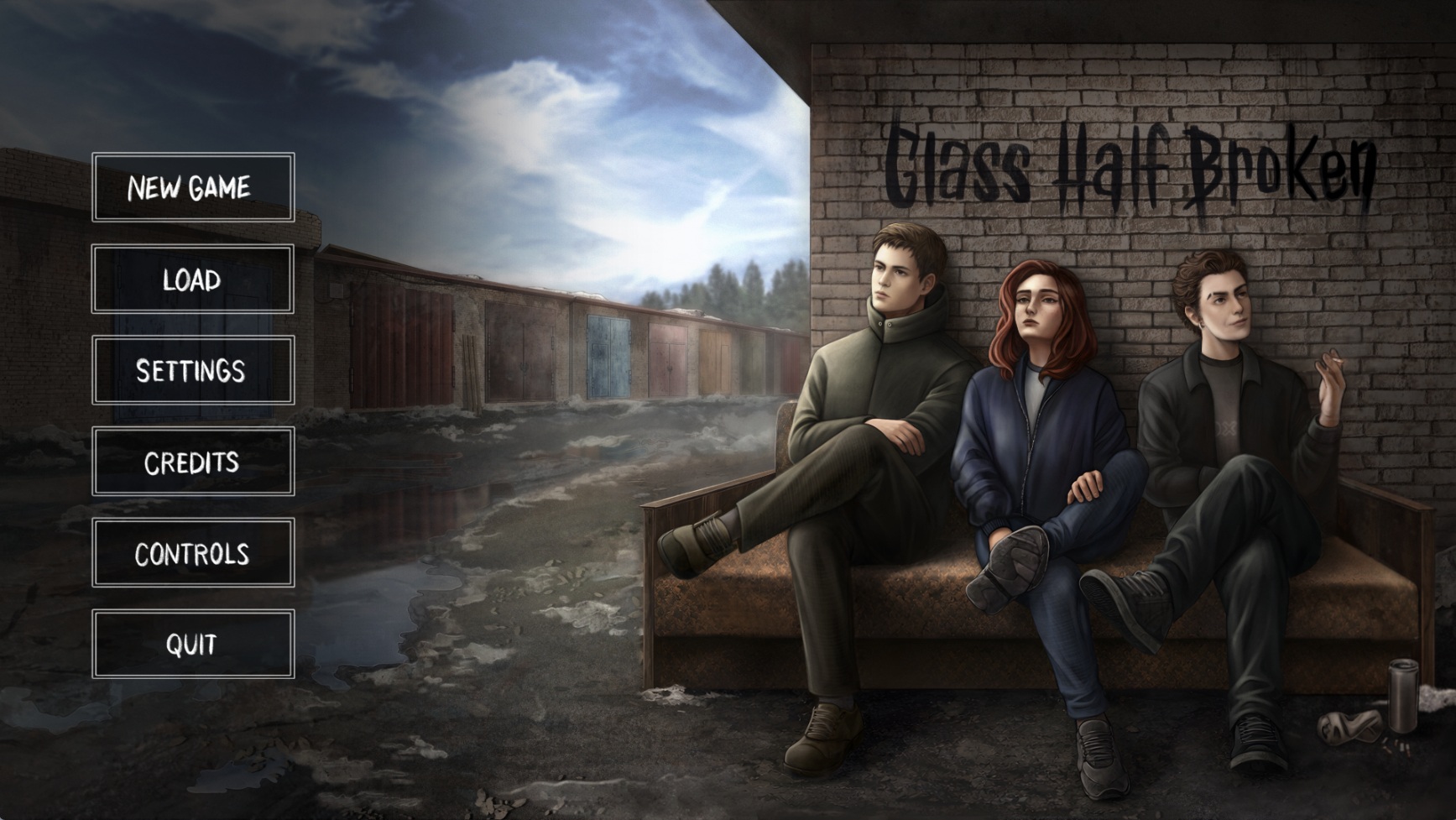
The presentation favors a grounded, contemporary aesthetic: muted palettes and realistic character portraits create an atmosphere of urban grayness that underscores economic strain and institutional corruption. Scene layouts use cinematic framing and occasional close-ups to highlight emotional beats rather than rely on flashy effects. Background music and ambient soundscapes are restrained to support reading and reflection; voiced lines are minimal or absent so the experience remains text-driven and literary in tone.
Accessibility, Performance, and Offline Play
Glass Half Broken is designed to run comfortably on a wide range of Android devices and does not require a constant internet connection after installation, so you can play offline on commutes or in places without reliable service. Text size and contrast options help readability for players with vision sensitivities, and simple, predictable controls reduce barriers for those new to visual novels. The game’s pacing can be adapted at your pace: there are no timing requirements for most choices, allowing readers to pause, reflect and return without pressure.
Challenge, Audience, and Limits
The principal challenge comes from weighing ambiguous moral options rather than reflex-based tests: understanding the social networks around Polina, anticipating long-term consequences of short-term compromises, and managing limited narrative resources create the tension. That focus means pacing can feel slow for players who prefer action or mechanically complex systems, and the subject matter—moral ambiguity, economic hardship and temptation—may be unsettling to some. Glass Half Broken is best approached as an interactive dramatic novel where patient engagement is rewarded.
Editors and players looking for a mature, character-driven experience will find Glass Half Broken notable for its subtlety and narrative depth; the game provides a thoughtful space to explore how small decisions accumulate into life-changing paths without resorting to sensationalism or explicit content.
Show More