Food Frontline
Version:0.4.2
Published:2026-10-26
Introduction
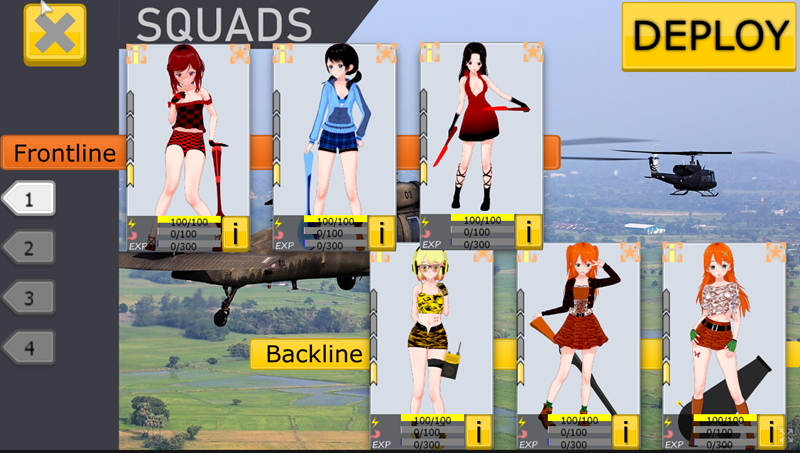
Food Frontline is a card-collecting tactical game that places a roster of charming characters against waves of self-replicating food, pairing collectible progression with a compact, mobile-friendly strategy loop. In each short session players draft and arrange stuffing champions, exploit inflation and weight-gain mechanics to alter battlefield physics, and reposition squads across larger maps to control engagements and secure objectives. The description below explains core systems, controls, progression, visual approach, and what makes Food Frontline distinct for players seeking an offbeat tactical experience.
Gameplay and core mechanics
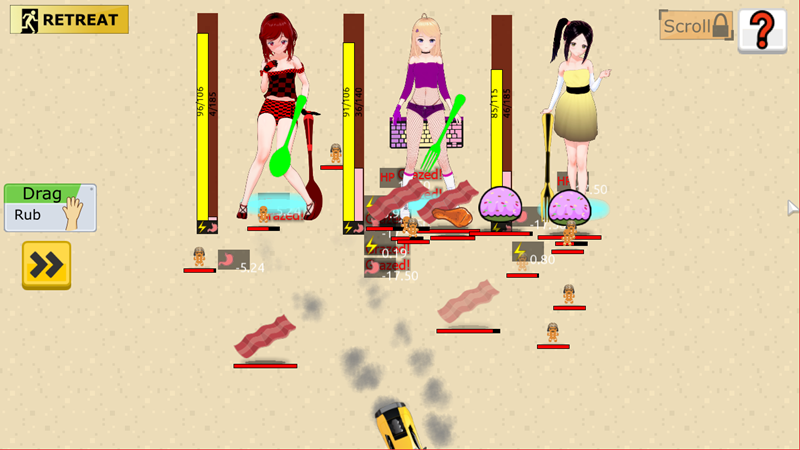
The central loop in Food Frontline revolves around card collection and tactical deployment. Matches present a series of lanes and zones where you place units drawn from your deck; each champion card has unique behaviors that interact with the specialized food mechanics. Inflation and weight-gain effects are not just visual flourishes but gameplay modifiers: they change unit mass, movement, and collision outcomes, so timing and spatial reasoning matter as much as raw power. Combat plays out in real time with short round lengths that reward adaptive positioning and coordinated team compositions.
Controls and input
Designed for touch-screen play, controls in Food Frontline rely primarily on tap-and-drag interactions. You tap a card to view its stats, drag to place a unit on an available tile, and swipe to move squads across the tactical map. Contextual gestures let you preview interactions—such as how an inflation effect might push enemies—before committing a deployment. The interface minimizes clutter so players can make quick decisions on smaller screens, while tooltips and an optional tutorial guide new players through timing windows and the relationship between mass and movement.
Progression and customization
Progression focuses on collectible growth and targeted champion training rather than abstract metagame timers. You strengthen your roster through card upgrades, level gains, and focused training that improves specific stats or unlocks new passive interactions tied to stuffing and weight mechanics. Customization options include visual skins and minor cosmetic changes for champions, letting players personalize their teams without altering balance. Equipment-like modifiers that are clearly described in card tooltips can change how a champion responds to inflation or crowd-control effects, making build choices meaningful without creating pay-to-win disparities.
Visual style and presentation
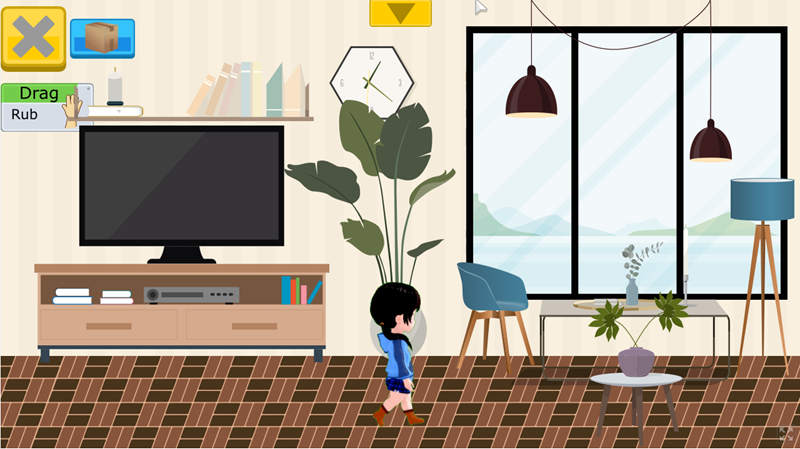
The art direction blends cute character designs with whimsical physics visuals to underscore the game’s quirky concept. Units and enemies are readable at mobile resolutions, with clear color coding and simple particle effects to indicate status changes like inflated states or heavy momentum. Animations emphasize cause and effect—how added weight affects a unit’s shove or how an inflated enemy behaves—so players can quickly learn mechanics by observation. The UI uses high-contrast icons and scalable text to keep the experience accessible across devices.
Level structure and match pacing
Levels are organized as a series of encounters that increase in complexity, introducing new food types, map hazards, and champion interactions over time. Earlier stages act as tutorials for core mechanics while later stages require multi-layered tactics, such as combining slow, heavy units with agile flankers to manipulate enemy waves. Matches are intentionally brief to suit mobile play, but the map structure supports multi-stage missions that feel like short campaigns, giving players direction beyond single skirmishes.
Replay value and challenge systems
Replayability stems from collectible variety, evolving champion builds, and randomization in enemy waves. Daily challenges and escalating difficulty brackets encourage experimentation with team compositions and counterplay to specific food behaviors. The game balances predictable mechanics with emergent outcomes: the same set of units can play differently when inflation dynamics or terrain interactions change, creating reasons to revisit levels and refine strategies without relying on repetitive grind alone.
Accessibility, offline play, and performance
Food Frontline is developed with a focus on smooth performance on typical mobile hardware and includes options to reduce particle effects for older devices. Offline-friendly design allows players to enjoy solo levels and progression without a required network connection; occasional online features, such as cloud saves or optional events, are clearly signaled so single-player experience remains intact. Accessibility settings offer adjustable text size, simplified input modes for players who prefer fewer gestures, and color-contrast options to support readability.
User experience, advantages and limitations
The combination of card-collecting progression and physics-influenced tactics gives Food Frontline a distinctive identity: it’s approachable for short sessions yet deep enough to reward long-term collection and experimentation. Players who enjoy spatial reasoning and unit synergies will find meaningful choices in squad setup and training paths. That said, the specialized inflation and weight mechanics represent a niche preference and may not appeal to every player, and the wave-based structure can become repetitive without varied objectives. The design emphasizes clarity and player agency to help mitigate those limits and keep each session engaging.
Show More