The Dungeon of Desires
Version:0.1.6
Published:2026-10-27
Introduction
The Dungeon of Desires is a 2D adult dungeon RPG that places you in a mysterious labyrinth where exploration, tactical encounters, and story-driven quests are the focus. In The Dungeon of Desires you wake with no memory and must push deeper through layered rooms filled with hazards, unusual adversaries and choices that influence outcomes. This introduction describes gameplay systems, controls, progression and the development model so you know what to expect from the public build and supporter releases.
Gameplay and combat mechanics
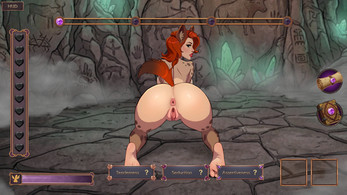
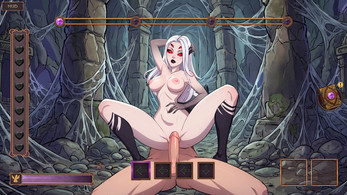
Gameplay centers on careful exploration and timing rather than raw power. Rooms are built with vertical and horizontal depth so encounters can play out across layered spaces, encouraging flanking, retreat or lure tactics. Combat encounters emphasize rhythm and timing windows: successful parries, well-timed dodges and charged actions open different outcomes and rewards. Encounters can also present environmental puzzles, traps or hidden interactions that reward attentive players. Monster girl characters appear as story-driven NPCs and adversaries, and their animated scenes are integrated into progression without interrupting core dungeon flow.
Controls and user experience
The Dungeon of Desires offers touch-friendly controls optimized for mobile play, with on-screen action buttons, a responsive virtual joystick and context-sensitive prompts for interaction. Input sensitivity and HUD layout are adjustable in settings so players can tailor controls for comfort and accessibility. Subtitles, adjustable text size and clear visual cues are included to make encounters readable; audio and vibration feedback help communicate timing windows for rhythm-based actions. The interface is designed to be stable offline so core exploration and combat are available without requiring a network connection.
Progression, quests and customization
Progression relies on quest-driven advancement, character interactions and resource management. Completing quests and events grants new abilities, items and access to deeper floors. Choices in dialogue and quest resolution can change subsequent events or unlock optional encounters, creating branching progression paths. Equipment and character options offer modest customization to support different play styles: you can invest in defensive tools, timing-based skills or utility upgrades to suit exploration or aggressive strategies. Supporter builds add additional content such as new floors and characters for players who want more immediate updates, while a free public build includes the core mechanics and initial questlines.
Visual style and animations
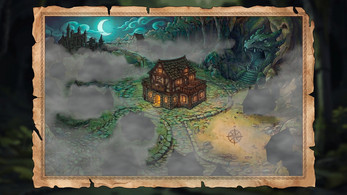
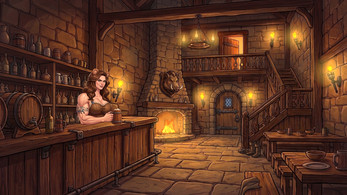
The game uses detailed 2D artwork with layered room backgrounds, dynamic lighting and smooth character animations to convey atmosphere. Combat and exploration animations are designed to give clear telegraphs for enemy actions and player timing windows. Mature animated scenes featuring monster girl characters are presented in a narrative context and are integrated into the overall visual style rather than interrupting gameplay. The aesthetic aims for a darker, atmospheric dungeon-crawl tone with attention to readable visual design for gameplay clarity.
Level structure and challenge systems
Levels are organized into floors, each introducing new hazards, enemy archetypes and environmental mechanics that build on earlier lessons. Challenges include timed sequences, careful resource management and encounters that punish repeated brute-force attempts in favor of tactical play. Risk-reward decisions are common: pushing toward unexplored rooms can lead to valuable finds but also tougher fights. Failure typically results in resource loss or rerouted progression that encourages learning and adaptation rather than abrupt, punitive restarts.
Replay value and longevity
The Dungeon of Desires encourages replay through branching quests, optional events and varied floor layouts that mix enemy placements and hidden encounters during subsequent runs. Supporter builds expand the map with new floors and characters, while the base public build offers enough content to learn systems and experiment with different approaches. Developers maintain a transparent roadmap and devlog entries, and community-driven updates shape future content and balance changes.
Development model and version notes
This project is an independent, early-access title that provides a freely available public build alongside supporter-only early releases. The public build lets new players experience core mechanics before deciding whether to follow supporter updates, and supporters receive early access to newer builds, behind-the-scenes posts and development polls. The latest supporter early-access version is 0.1.7, with a devlog entry for version 0.1.6 that details recent fixes and work in progress. If you enjoy tactical, exploration-focused dungeon adventures with mature narrative elements, The Dungeon of Desires continues to evolve with community feedback and regular updates.
Show More