Liora’s Price of Dignity
Version:0.6.0
Published:2026-10-27
Introduction
Liora’s Price of Dignity invites players into a dark fantasy role‑playing experience where every decision affects survival, relationships, and long-term consequences. This single‑player RPG combines exploration, tactical turn‑based combat, and a branching narrative that reacts to your choices; early areas teach core mechanics while later chapters layer reputation, relationships, and costly moral dilemmas that influence both immediate encounters and endgame outcomes.
Core gameplay and mechanics
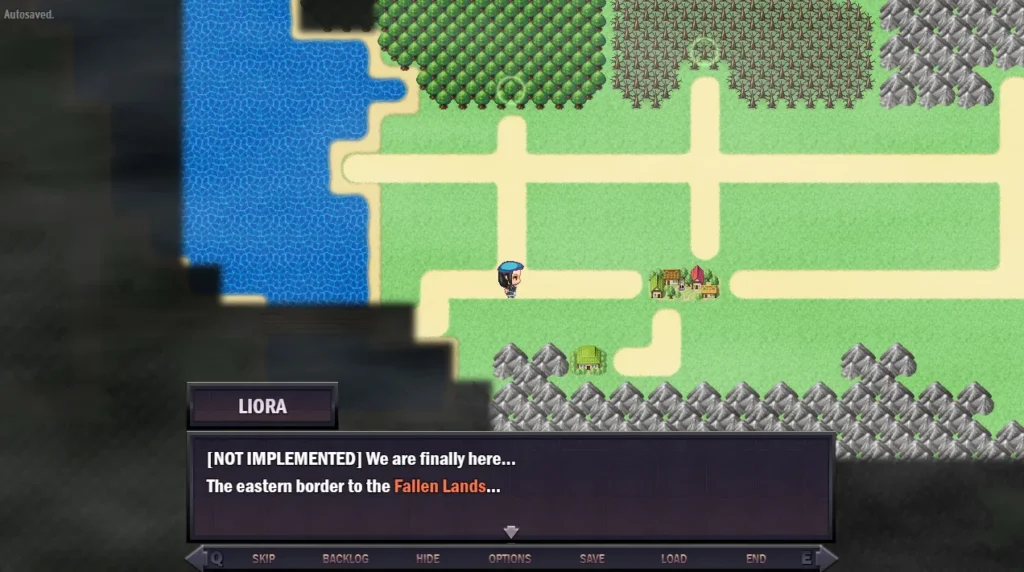
The game centers on decision-driven progression and a tight tactical loop. Encounters reward reconnaissance and preparation: scouting reveals enemy positions, environmental hazards, and optional routes that can be exploited for advantage. Combat emphasizes positioning, stamina management, and timed abilities rather than brute-force leveling; battles feel like puzzles where terrain, elevation, and cover change the tactical calculus. Exploration is deliberate rather than aimless, with clues, puzzles, and optional scenes that expand the story and unlock crafting components.
Narrative structure and choice impact
Story beats in Liora’s Price of Dignity adapt to player choices instead of following a single linear path. A reputation system and relationship meters track key decisions across chapters, and consequence trees determine which quests and companions remain available. Dialogue choices present realistic trade-offs: preserving personal honor may close short-term opportunities but open new narrative strands later. Branching outcomes are designed to make different playthroughs meaningfully distinct while preserving coherence in the world and character arcs.
Combat, progression, and challenge systems
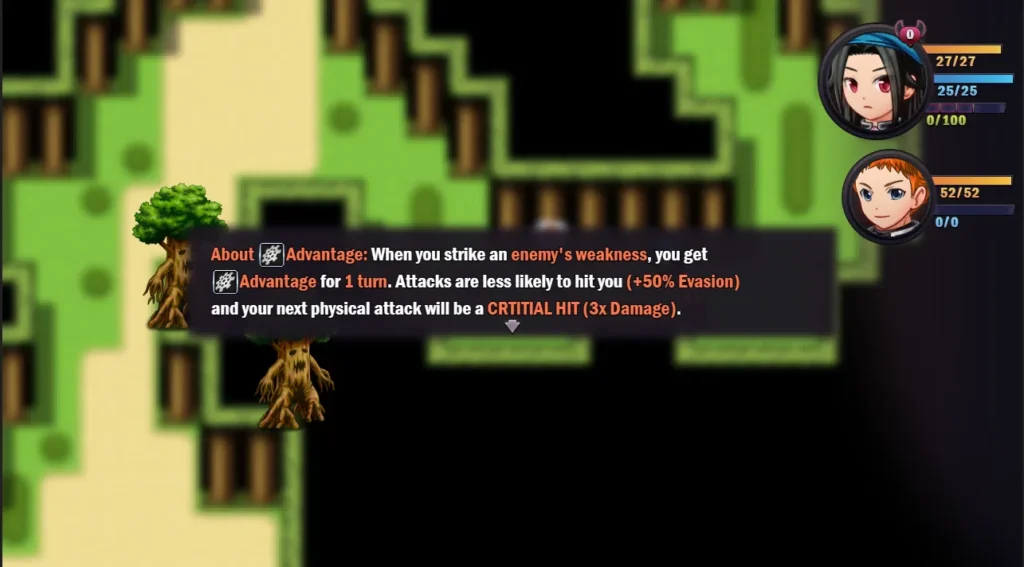
Combat blends familiar role‑playing systems with stamina and positioning mechanics that demand planning several turns ahead. Characters earn experience and skill points that unlock active abilities or passive bonuses, and progression encourages experimentation with specialized builds, hybrid roles, and situational gear. Difficulty and challenge are tuned through enemy archetypes and encounter design rather than artificial stat inflation; optional content and adaptive encounter modifiers let you increase difficulty for greater rewards and rare crafting materials.
World design and level structure
Environments range from fog-choked hamlets to crumbling fortresses, each with unique hazards and exploration rewards. Levels favor multiple routes, hidden paths, and optional encounters that reveal lore and grant rare resources for crafting. Visual cues such as lighting, color palettes, and environmental audio guide players toward points of interest and signal danger or safe zones, supporting both discovery and tactical decision-making during exploration.
Characters, customization, and progression depth
Character design supports deep personalization: each companion has a backstory, personal objectives, and evolving motivations that react to your choices. Gear systems allow upgrades to sockets, attribute boosts, and cosmetic changes so you can tailor performance and appearance. Companions may open new quests or withdraw if their values clash with yours, making party composition an important part of the game’s emotional and mechanical fabric. Liora’s Price of Dignity places meaningful weight on these interactions, rewarding players who explore alternate companion outcomes.
Visuals, audio, and immersion
Art direction emphasizes mood with hand‑painted textures, layered particle effects, and a restrained palette that enhances readability in combat and exploration. The soundtrack shifts from ambient motifs for quiet exploration to tense orchestral cues in key confrontations, while subtle sound cues draw attention to hidden elements, enemy movements, and environmental traps. Visual fidelity is balanced with clarity so important gameplay information remains legible even on smaller screens.
Controls, performance, accessibility, and offline play
Controls are optimized for touch screens and standard controllers, offering responsive input and configurable mappings so you can remap actions to suit your playstyle. Performance presets let you balance visual quality and frame rate across a wide range of devices, and memory management reduces loading interruptions to maintain immersion. Accessibility options include scalable text sizes and color adjustments to improve readability; the game is primarily a self-contained single‑player experience that supports offline play so you can progress without a constant network connection.
Replayability and player experience
Replay value comes from alternate routes, companion outcomes, and multiple endings that react to different moral choices and strategic approaches. Tactical depth, varied builds, and hidden encounters encourage experimentation and multiple playthroughs. The overall user experience focuses on thoughtful decisions and measured risk: save opportunities, clear UI feedback, and incremental learning curves help players approach tougher challenges with confidence while still offering meaningful consequences for risky choices.
Show More