Defile
Version:2.0
Published:2026-10-30
Introduction
Defile is a dark tactical roguelike that tests planning and adaptation; Defile challenges players with procedural dungeons, scarce resources, and turn-based combat, and Defile rewards careful positioning and persistent upgrades across repeated runs.
Quick overview
This editor overview describes Defile as a methodical survival experience where each run forces meaningful choices. Rooms are generated on the fly and encounters tend to punish reckless movement, so players must balance exploration, resting, and confrontation. The loop centers on navigating layouts, scavenging limited supplies, and deciding which fights or contracts are worth the cost.
Gameplay mechanics
Combat unfolds in discrete turns, emphasizing movement, line-of-sight, and tactical use of abilities rather than reflex-based input. Enemies telegraph attacks and follow recognizable behavior patterns, which rewards observation and learning. Environmental elements such as traps, cursed altars, and temporary buffs alter priorities mid-run, requiring players to remap strategy on the fly and exploit room geometry to create advantages.
Controls and accessibility
Controls are designed for touch and controller-friendly mapping: movement, ability selection, and camera adjustments remain straightforward on phones and tablets. The HUD focuses on clarity, offering readable tooltips for status effects and cooldowns. Accessibility options include adjustable text size, simplified input modes for players who prefer fewer taps, and configurable contrast for better visibility in low-light stages.
Progression and customization
Long-term growth ties into a persistent meta-progression system. Completing objectives awards permanent currency, skill shards, and blueprints that unlock new abilities, modifiers, and equipment options. Character development leans on loadouts and passive upgrades rather than pure level grinding, so building around two to three complementary skills produces the most consistent results. Experimentation is encouraged since different combinations shift playstyle dramatically.
Characters, enemies, and level structure
The roster includes archetypes such as agile scouts, heavy tanks, and hybrid support classes, each with distinct skill trees and synergies with gear. Enemy types are designed to be readable: many attacks include clear wind-up animations so you can react. Levels mix open arenas with narrow corridors and choke points, and optional side rooms introduce higher risk for greater rewards, making level structure a core element of tactical decision-making.
Risk-reward systems and challenge
Risk-reward choices appear in the form of optional encounters, timed contracts, and cursed sites that trade long-term penalties for short-term power. These systems scale difficulty by increasing enemy variety, adding environmental hazards, or imposing resource drains. Managing consumables and knowing when to retreat are often the difference between salvaging a run and starting over.
Visual style, audio, and performance
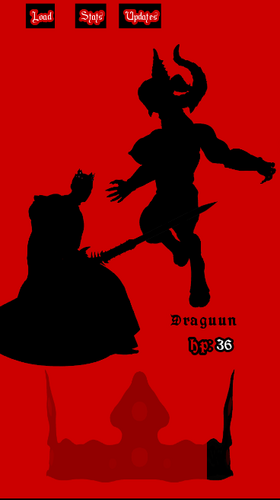
Visually, Defile favors moody palettes and clear silhouettes so enemies and hazards stand out. Animations emphasize impact and hit feedback to make each action feel decisive. Audio design uses ambient tracks and distinct cues to signal danger or opportunity, while performance scales across devices: mid-range hardware maintains stable frame rates and higher-end devices gain enhanced effects and smoother transitions.
Replay value and offline play
Replayability comes from procedural layouts, modular modifiers, and a wide selection of unlocks that change how runs play out. Each attempt offers different room configurations and item placements, pushing players to adapt rather than rely on rote strategies. The game supports offline play so sessions can be taken on the go without needing a constant connection, making it suitable for commuters or short bursts of play.
User experience and tips
Menus are compact and emphasize quick access to loadouts and upgrade paths, while tooltips explain mechanics to reduce guesswork. New players should prioritize survivability and learn enemy telegraphs before committing to high-risk contracts. Preserve consumables for unavoidable battles, focus on a small set of synergies, and use terrain to force favorable engagements. With practice, what first seems punishing becomes a rewarding test of tactical judgment.
Show More