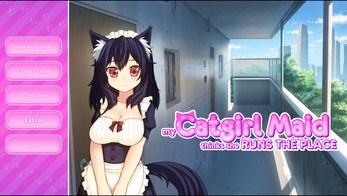
My Catgirl Maid Thinks She Runs the Place
Version:1.0
Published:2026-10-31
Introduction
My Catgirl Maid Thinks She Runs the Place blends gentle household simulation with narrative choices to create a relaxed time-management experience centered on a confident catgirl maid guiding day-to-day life. In this game you balance chores, social moments, and short interactive challenges while exploring a colorful home environment where small decisions shape relationships and unlock new scenes. The tone emphasizes planning and personality over combat, offering a slice-of-life approach that rewards thoughtful sequencing and experimentation.
Gameplay Overview
The core loop in My Catgirl Maid Thinks She Runs the Place asks you to review each day's objectives, prioritize tasks, and react to emergent events that change household priorities. Routine chores like cleaning and cooking sit beside optional activities and occasional special events, and many tasks interconnect so completing one can create combo opportunities or new dialogue options. Decision points are lightweight role-playing moments: a friendly chat, a choice of recipe, or opting to redecorate can shift the maid's mood and the home's reputation, which in turn influences available routines and story beats.
Controls and Local Performance
Controls are designed for touch devices with simple taps for selection and intuitive drag gestures for arranging furniture or grouping items. Contextual prompts appear when tasks are multi-step, and subtle visual cues help you plan actions during busier days. The app is optimized for offline play with efficient asset streaming and adjustable graphical settings so it runs smoothly on a wide range of devices; load times are minimized and save points are frequent to reduce interruption while you manage the household.
Progression and Reputation
Progression is woven into a reputation system that measures household harmony and the maid's disposition. Completing chores efficiently, maintaining comfortable living conditions, and choosing constructive interaction options raise reputation, which unlocks new recipes, decorative items, rooms, and narrative scenes. Advancement is gradual: new routines and modest bonuses appear steadily as rewards for consistent play rather than abrupt power spikes, encouraging players to try different approaches to balance chores, relationships, and upgrades.
House Layouts and Challenge Systems
The home is divided into distinct rooms with unique tempos and mechanics. Kitchens offer time-sensitive cooking tasks, living rooms host conversational beats and minigames, and gardens provide slower resource gathering with occasional weather events that change priorities. Challenge systems include time penalties for neglected tasks and combo bonuses for efficient multi-room sequences, rewarding players who plan chained routines and adapt when unexpected events arise.
Customization and Visual Design
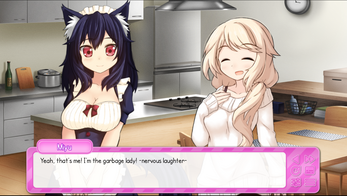
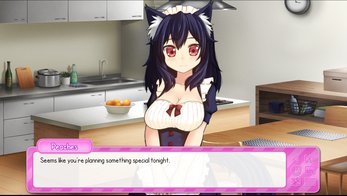
Customization covers both the maid's appearance and the home's furnishings, from outfit choices and small accessory swaps to furniture placement and decorative themes. Visual changes can carry light gameplay effects such as mood modifiers or small efficiency bonuses but are primarily intended to personalize the experience. The art direction favors clear, colorful visuals and expressive character animations that convey personality while keeping menus readable and accessible for different screen sizes.
Mini-Games and Replay Value
Short mini-games punctuate routine management with focused, approachable challenges like timed cleaning sessions, organizing puzzles, and rhythm-like interactions during special events. These segments reinforce core systems and provide bite-sized rewards, while multiple optional objectives, alternate relationship paths, and a casual difficulty mode increase replay value because you can revisit days to improve efficiency or explore different decor and tool combinations.
Accessibility, Saves and Community Feedback
The game includes accessibility options such as adjustable text size, color-contrast considerations, and a guided opening sequence that introduces mechanics at a gentle pace. Frequent save points, clear on-screen objectives, and offline availability make the user experience forgiving and convenient. Developers maintain a visible feedback loop for community suggestions, delivering seasonal content and quality-of-life updates driven by player input without relying on live competitive systems.
Getting Started and Practical Tips
Early play rewards planning and consistency: read the day's objectives before acting, chain related chores in a single area to earn combo bonuses, and interact briefly with the maid to keep her mood positive. Invest in tools and decor that provide ongoing benefits rather than single-use improvements, and try casual mode if you prefer a relaxed pace. My Catgirl Maid Thinks She Runs the Place offers an approachable management experience that combines strategy with character-led storytelling, giving you room to personalize how the household runs while exploring light narrative threads.
Show More