Nightfall
Version:1.0.337
Published:2026-11-03
Introduction
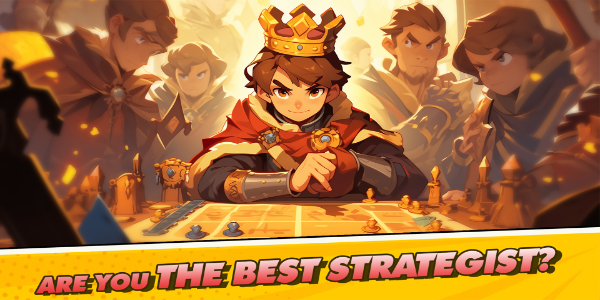
Nightfall is a single-player tower defense and base-building strategy game that puts you in command of Lord James as you manage settlements by day and fend off waves of exotic creatures and bosses at night. This introduction describes the gameplay loop, mechanics, controls and progression systems so you can quickly decide whether Nightfall fits your strategy preferences. The text explains how construction, resource management and tactical defense combine to create a deliberate, paced experience.
Key features and game loop
The core loop of Nightfall alternates between daytime city planning and tense nighttime defense. During the day you place gold houses and production buildings to grow your income, recruit barracks units that supplement towers, and plan tower placements to prepare for the upcoming night. When dusk arrives, the game switches to real-time combat: enemy waves advance along lanes, and you deploy hero abilities, reposition units and activate tower skills to hold the line. This rhythm rewards long-term investment decisions as much as mid-battle tactical adjustments, creating meaningful choices at every stage of a run.
Gameplay mechanics
Nightfall blends lane-based tower defense with light base management. Towers perform distinct roles—single-target damage, area denial, crowd control and utility buffs—while barracks units provide mobile contesting power and can stall or redirect enemy advances. The hero Lord James progresses through a simple talent and equipment system that unlocks active skills and passive bonuses, and changing his role shifts how a level plays out. Enemy design ranges from predictable mobs that test positioning to elite bosses that introduce mechanics requiring prioritized tower builds or temporary tactical sacrifices.
Controls and interface
The controls are optimized for touch devices with straightforward tap-and-drag placement, intuitive upgrade gestures and contextual tooltips that explain tower stats and unit roles. A compact hotbar gives quick access to the hero’s active abilities during night phases, and persistent HUD elements display current gold, energy or resource meters and wave timers so you always have the information needed to make timely decisions. Camera zoom and simple pause and speed controls let you tailor pace and focus without navigating deep menus, which keeps the experience accessible on phones and tablets.
Progression and customization
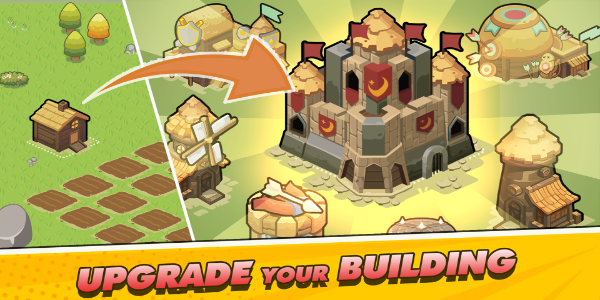
Progression in Nightfall centers on persistent village upgrades and branching tower paths. Investments in gold houses, barracks and infrastructure carry forward between stages, changing your approach to future encounters. Individual towers can be specialized for raw damage, utility or efficiency through upgrade choices, and the hero’s skill tree and equipment options let you test different playstyles. Customization is meaningful: choosing which towers to prioritize and how to shape Lord James’s abilities gives each run a distinct strategic feel rather than a single optimal route.
Visual style and level structure
The game uses a stylized medieval fantasy aesthetic that keeps visual clarity a priority. Towers, units and enemy types are designed with distinct silhouettes and color cues so threats remain readable during fast moments. Day/night lighting sets mood without hiding crucial indicators—nighttime visuals emphasize danger telegraphs from bosses and highlight important pathway changes. Levels are organized into campaign stages that introduce new mechanics gradually and vary terrain and lane layouts to encourage different defensive approaches and building placements across regions.
Replay value and challenge
Replayability comes from tower synergies, hero builds and the variable ordering of enemy waves. You can replay stages to experiment with economic priorities, try alternative hero loadouts or pursue higher difficulty by restricting certain upgrades. The challenge system favors learning through experimentation: repeated attempts reveal new tactical combinations and force you to adapt when elite enemies break established strategies. This design keeps later stages engaging without relying on artificial difficulty spikes.
Accessibility and user experience
Nightfall aims to be welcoming to newcomers while offering depth to experienced players. Adjustable difficulty settings, in-game hints and tutorial prompts explain core mechanics and resource priorities. The UI includes options for larger text, contrast adjustments and clear audio cues for incoming waves, and the option to slow game speed during critical moments helps players make careful tactical choices. These accessibility features are intended to lower the barrier to entry without diluting the strategic core of the game.
Offline play and practical considerations
Offline progression is built into Nightfall so you can continue to make steady progress without a persistent connection. Energy linked to day cycles regenerates while you’re away, and local save data preserves campaign progress, upgrades and unlocked towers. The pacing works well for short sessions—where you can focus on a single night—or for longer playtimes when you want to tinker with base layout and long-term economics. Optimization for a range of devices helps maintain consistent performance during both build and combat phases.
Show More