ATHENA:Blood Twins
Version:1.5.4
Published:2026-11-04
Introduction
ATHENA:Blood Twins places you in a shattered divine realm where twin heroes command squads against mythical beasts and dark legions; ATHENA:Blood Twins blends cinematic presentation with action-focused MMORPG combat to create tense, tactical encounters that reward coordination and experimentation. From the opening sequence you’re introduced to ruined sanctuaries, artifact-driven objectives and a world narrative that unfolds through missions, world events and large-scale boss encounters. The first 50 words name the game deliberately because ATHENA:Blood Twins centres gameplay around twin-hero formations, strategic role synergy and progression that moves beyond simple level grinding into party composition, equipment depth and purpose-driven exploration.
Gameplay and Mechanics
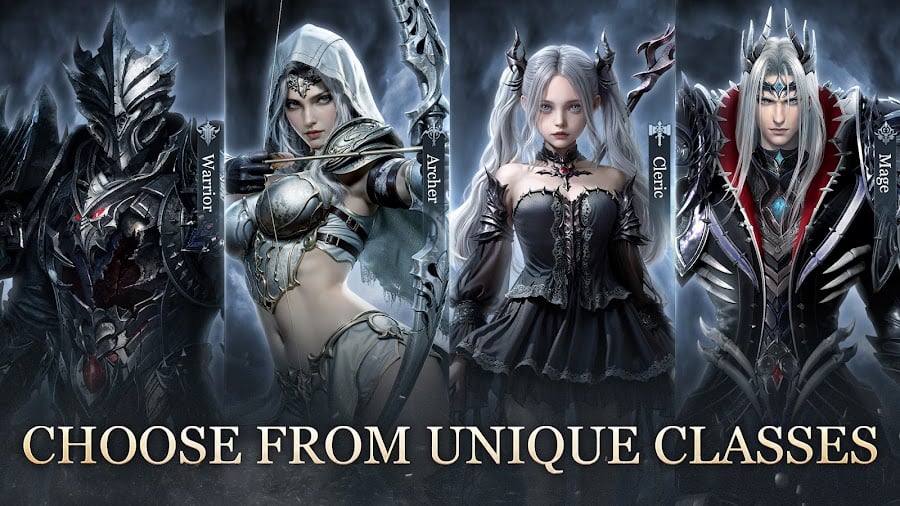
Gameplay emphasises fast-paced, class-based combat where each class—Warrior, Mage, Archer and Cleric—has clear responsibilities in a squad. Mechanics include combo chaining, timed abilities, formation bonuses for twin-hero pairs, and interactive environmental hazards that change how fights play out. Encounters are built around decisive moments: interrupting a charging boss, seizing an artifact to shift objectives, or repositioning a twin pair to exploit a weakness. Controls are designed to suit touch and controller inputs with direct targeting, tap-to-move options and gesture-based skill activation for advanced combos, allowing both casual and experienced players to engage the combat at their preferred pace.
Progression and Customization
Progression in the game is multi-layered: character levels unlock new base abilities while promotion paths open advanced roles and unique skills for each class. Equipment, artifact fragments and costumes provide both cosmetic and tactical choices; collecting and upgrading artifacts influences combat modifiers and unlocks new objectives within sanctuaries. Skill trees and role upgrades let you specialise a twin hero for damage, support or utility, and squad synergy encourages experimentation—changing formations and switching promoted roles can transform a difficult encounter into a manageable one. The in-game progression loop emphasises meaningful choices rather than pure stat inflation, rewarding players who plan builds around team composition and target priorities.
Visual Style and Level Structure
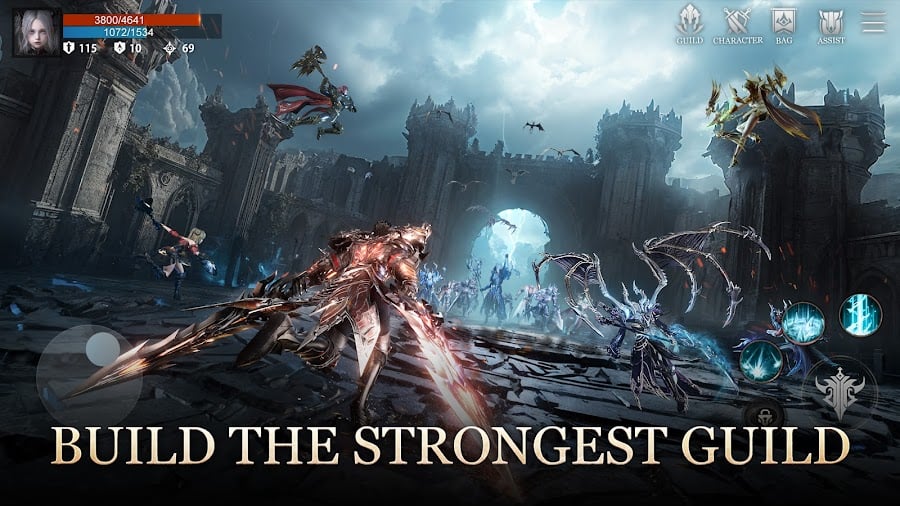
ATHENA:Blood Twins presents a cinematic visual language with detailed character art, dramatic lighting and spell effects that make combat both readable and spectacular. Maps are crafted as expansive, ruined sanctuaries and open regions threaded with artifact objectives, hidden chambers and dynamic hazards that encourage exploration. Levels are structured to mix short, intense skirmishes with longer, multi-stage boss battles and objective-based missions; this pacing maintains momentum while allowing time to explore lore and side content. Visual clarity is prioritised so that status effects, enemy telegraphs and environmental interactions are easy to distinguish even during high-intensity moments.
Combat, Bosses and Challenge Systems
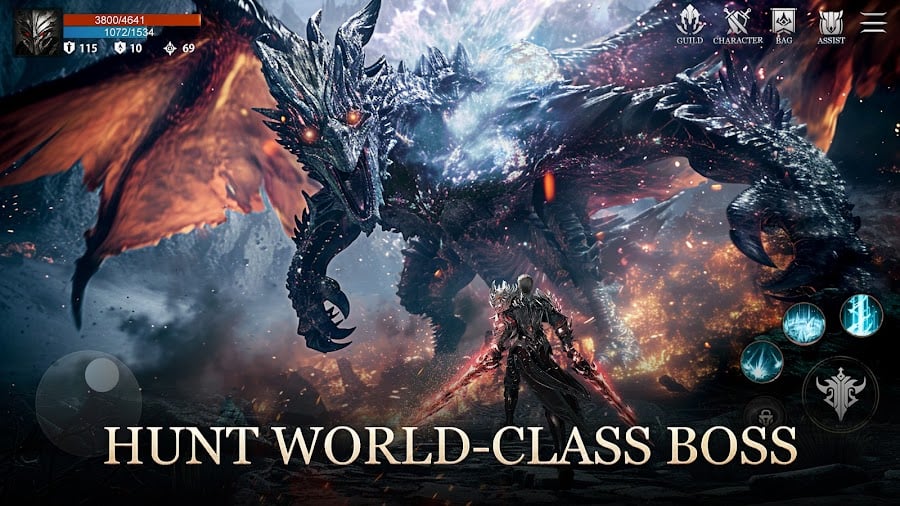
Boss encounters are designed as multi-phase tests that require coordination, role balance and timely tactical swaps in formations. The Abyssal Rift and similar events introduce escalating threat levels that change enemy behaviours and reward teams with rare artifacts when they succeed. Challenge systems include timed missions, escalating difficulty modifiers and optional objectives that alter rewards and enemy composition, offering both a learning curve for newcomers and a steady set of harder challenges for experienced players. Difficulty is intended to be skill- and strategy-driven; trial-and-error can be part of discovery, but careful planning and adaptation are usually the path to success.
Controls, Accessibility and User Experience
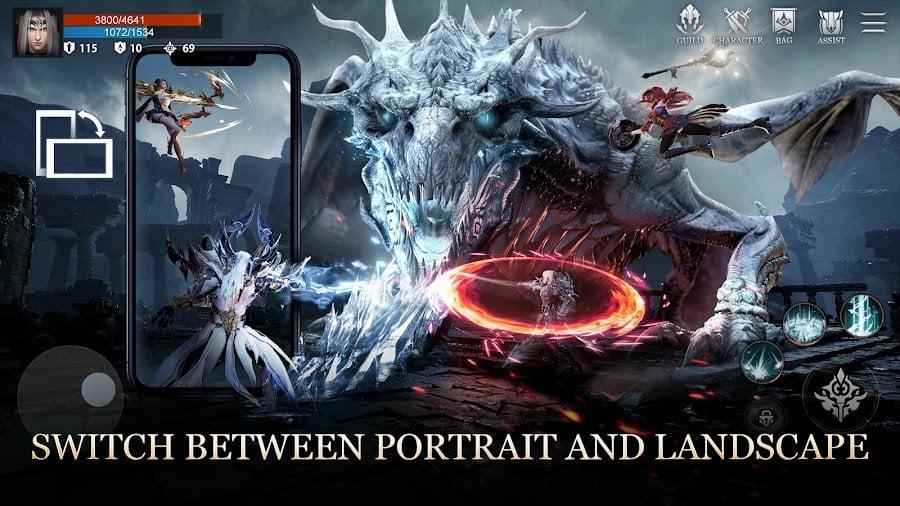
The user interface focuses on clarity and accessibility: configurable control schemes, adjustable HUD scale, subtitle options and colour-blind friendly indicators for key effects. Tutorials introduce core mechanics in context rather than as isolated lessons, and difficulty tuning and assistive options help players ease into complex formation play. Performance options let players prioritise frame rate or visual fidelity to match device capability, and saved presets for formations and loadouts streamline switching between roles so players spend more time playing and less time digging through menus.
Replay Value and Social Play
Replay value comes from varied class combinations, evolving artifact hunts, dungeon rifts and cooperative boss fights that encourage new approaches to the same content. ATHENA:Blood Twins supports group-focused encounters that reward teamwork without forcing a single dominant strategy, and the combination of cosmetic customisation, role promotions and hidden objectives creates long-term goals beyond simple progression. Regularly rotating challenges and optional high-difficulty objectives help keep the experience fresh for solo and group players alike while leaving room for personal mastery and community-driven tactics.
Show More