Wobble Theory
Version:0.1.0
Published:2026-11-07
Introduction
While waiting for a delayed train, Wobble Theory provides a playful experiment you can pick up and drop without setup. The app is a free indie game that explores simple physics and quirky interactions rather than long campaigns or progression trees. Expect short, tactile rounds where shapes wobble, collide and react to your taps and nudges. Though compact and deliberately rough-edged, Wobble Theory is easy to learn and curious enough to pull you back for another try when you have a spare five minutes.
Gameplay of Wobble Theory
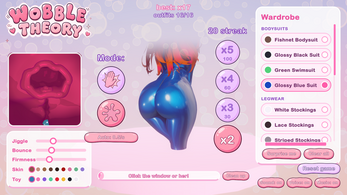
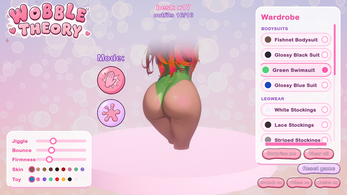
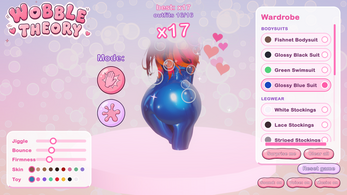
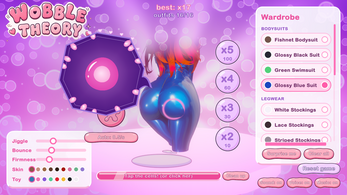
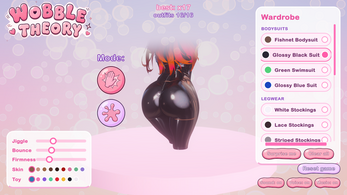
Core loop: You interact with soft, wobbling objects to influence their motion and observe unpredictable outcomes that feel both playful and experimental.
Controls: Tap, drag and flick to nudge items; the response is deliberately physics-driven so timing and force matter more than menus or icons.
Objectives: There are no complex goals imposed; sessions focus on exploration and discovering unusual reactions between elements on the screen.
Learning curve: Very low barrier to entry: the game encourages trial and error rather than tutorials or rules lists.
Features of Wobble Theory
Indie and free: This title is offered at no cost and presents the developer's ideas in a compact, unpolished package.
Minimal presentation: Visuals are pared back so physics and motion take center stage, which keeps the app light on storage and system demands.
Playful physics: Wobble Theory puts emphasis on elastic collisions and charming instability, creating moments that feel amusingly alive.
Low overhead: Expect a small download and battery-friendly runtime, suitable for older phones that struggle with large 3D games.
Tips and Tricks
Observe reactions: Take a moment to watch how a wobble propagates; subtle changes in where you tap can lead to very different results.
Use gentle inputs: Light taps nudge objects more predictably than hard flicks, which often produce chaotic movement you may not want.
Experiment in short bursts: Try the game during a coffee break or between tasks when you want a low-stakes distraction; it also works well as a quick prototype testbed if you tinker with game design ideas.
Suitable for Wobble Theory
- Players who enjoy physics toys and sandbox-style interactions
- Indie game fans looking for experimental small projects
- People with older or lower-end Android devices
- Anyone seeking a brief, casual diversion without account sign-ins
Final Verdict
Wobble Theory is a compact, curiosity-driven game that shines when you want something lightweight and hands-on; it delivers playful physics and unexpected moments at no cost. If you prefer structured levels or deep progression, the title may feel too minimal, but for short experimental play and creative fiddling it succeeds in being both charming and low-effort.
Show More