FF&S: Scenes That Didn’t Happen
Version:2023.10
Published:2026-11-08
Introduction
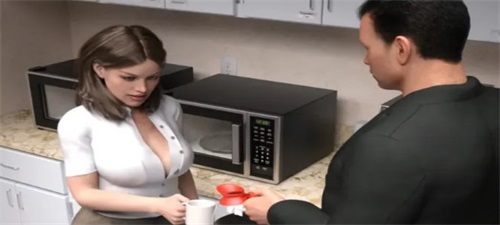
FF&S: Scenes That Didn’t Happen is a narrative-driven strategy game that lets players reconstruct alternate moments, stage original scenes, and experiment with character choices to shape branching outcomes. It combines visual-novel storytelling with scene-building mechanics, collectible scenes, and dynamic character interactions set across diverse maps and scenarios.
Quick look at the concept
The premise is simple but deep: you find, edit, and reassemble moments that never occurred in the original timeline. Rather than merely choosing dialogue, you place characters, props, and camera angles to craft sequences. The result is a hybrid of interactive fiction and tactical scene design where every adjustment changes how NPCs react, unlocking new branches and unlockables.
Core gameplay systems
Gameplay in FF&S: Scenes That Didn’t Happen revolves around three interlocking systems: scene composition, character agency, and progression. Scene composition uses a grid-like stage where you position actors and set pieces. Character agency determines how each avatar interprets cues and stimuli, influenced by stat modifiers and prior choices. Progression ties everything together through experience, scene blueprints, and reputation with in-game factions.
What makes it strategic
The strategic layer comes from anticipating reactions and managing limited resources. Each scene run consumes time and influence points, so players must prioritize which moments to rewrite. Some branches require specific props or character states, turning scene planning into a puzzle. Savvy players learn to chain smaller scenes together to trigger larger narrative shifts on the map.
Characters, maps, and variety
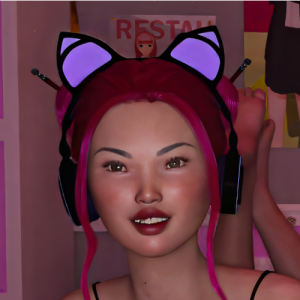
FF&S: Scenes That Didn’t Happen features a varied cast with distinct goals and temperaments. Characters are not static: their relationships evolve based on your staging choices. Maps act as thematic canvases—urban rooftops, abandoned theaters, and hidden archives—each with environmental hazards and stage-specific items. The combination keeps encounters fresh and encourages experimentation rather than rote replaying.
Tools and customization
Players get a toolkit to tweak lighting, camera focus, and prop behavior. A visual timeline helps you choreograph scene events, and presets speed up repeated actions. Customization extends to character loadouts: outfits, mood modifiers, and special abilities that change how a character performs on stage. Collectible scene cards allow you to replicate or remix successful runs.
Interface and performance notes
The interface balances approachable visuals with precise controls. Drag-and-drop placement and a contextual action wheel keep the flow smooth on touchscreens. Performance is optimized for mid-range devices, but high-fidelity options scale up textures and effects for powerful hardware. Load times are kept short, and autosave reduces frustration during longer composition sessions.
User experience and learning curve
The early game eases you into mechanics with focused tutorials and short scenario challenges. As complexity grows, documentation and an in-game codex explain character traits and item interactions. The learning curve rewards curiosity: small experiments reveal how different elements interact, and the sense of discovery drives continued engagement.
Why players keep returning
Replayability is a central draw. The branching nature of scenes and the modular toolkit create near-endless permutations. Social features allow sharing scene blueprints with friends, sparking community-driven creativity. Whether you aim to solve a tactical puzzle or craft an emotionally resonant moment, the game offers paths for both approaches.
Tips for newcomers
- Start small: Tackle short scenarios to learn character reactions before attempting multi-stage sequences.
- Prioritize tools: Invest in props that unlock diverse interactions rather than a single high-cost item.
- Experiment often: Minor adjustments to timing or camera angle can produce unexpected outcomes.
- Save blueprints: Reusing a successful blueprint can accelerate progression on tougher maps.
Getting into FF&S: Scenes That Didn’t Happen is straightforward: install, complete the introductory arc, and explore the scene editor. Fans of narrative design and tactical puzzles will find a satisfying blend of storytelling and systems play. With a steady stream of updates planned, it’s a title designed to evolve alongside its community while rewarding careful planning and creative risk-taking.
Show More