Dread Reborn
Version:1.1
Published:2026-11-09
Introduction
Dread Reborn puts a story-driven role-playing experience and thoughtful tactics side by side: in Dread Reborn you wake up in a strange, magical world and must piece together the mystery of your rebirth while leading a small party through investigation, dialogue, and turn-based encounters. This editor summary focuses on how the game balances narrative depth with deliberate combat, the progression systems that shape player choice, and the practical details you need to know before installing.
Gameplay overview
The core loop of Dread Reborn alternates between scene-driven exploration and tactical battles. Outside combat you explore towns, talk to NPCs, accept quests that range from investigation to monster hunting, and uncover optional scenes that deepen character relationships and world lore. During encounters you position characters, combine spells and status effects, and react to enemy behavior; fights reward planning and timing rather than frantic input. Choices in dialogue and actions influence which quests are available and can change how later scenes play out, so exploration and reading context matter.
Controls and combat systems
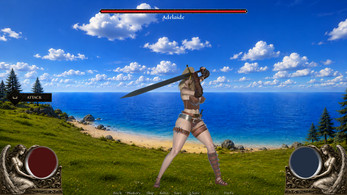
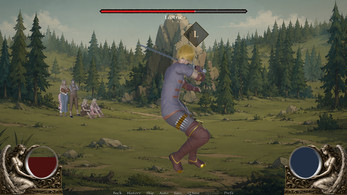
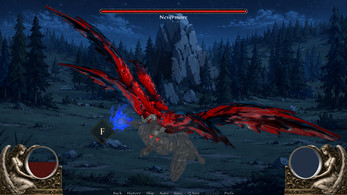
The interface is optimized for touch play with clear menus for selecting actions, targeting, and moving units on the battlefield. Combat is turn-based with an emphasis on positioning: many abilities gain bonus effects from flank or distance, and area spells require thoughtful placement. Actions are chosen from a concise battle UI with ability previews and tooltips so you can evaluate risks quickly. Battles pause between turns to let you consider tactics, and battle pacing makes short sessions convenient while still rewarding longer play blocks.
Progression and customization
Progression in Dread Reborn is built around skill development, equipment upgrades, and relationship-driven story paths. Characters learn and customize magical abilities through a skill system that encourages specialization or flexible builds, letting you develop a spellcaster who controls the field or a frontline fighter who manipulates positioning. Gear and experience improve core stats, and certain dialogue choices or quest outcomes can unlock unique abilities or alternative progression routes that change how you approach both combat and exploration.
Visual style and presentation
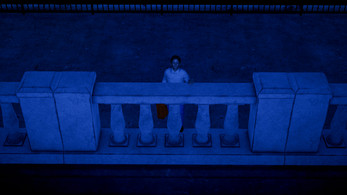
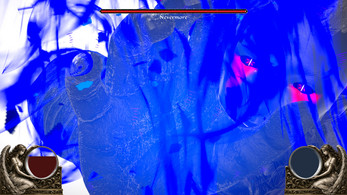
The presentation favors mood and atmosphere over spectacle: hand-framed scenes, ambient music, and restrained visual effects create a darker, mysterious tone that supports the narrative. Portraits and scene framing focus on character expression to convey motives and moral tension, while environments balance readable tactical layouts with evocative lighting. This approach keeps the game accessible on a range of devices while maintaining a consistent aesthetic appropriate for a mature story.
Level structure and replay value
Levels in Dread Reborn mix compact encounters suitable for short play sessions with longer narrative segments that reward sustained attention. Towns serve as hubs for investigation and side quests, while dungeons and scripted encounters provide tactical challenges and hidden content. Because decisions can close off or open new opportunities, the game encourages multiple playthroughs: replaying with different choices, builds, or difficulty settings will reveal alternate routes and endings that shift character fates and story emphasis.
Accessibility, difficulty and offline play
Dread Reborn includes adjustable challenge options so you can focus on story or aim for tighter tactical difficulty; settings allow you to scale enemy strength, tweak resource availability, and modify encounter frequency. Accessibility features such as adjustable text size, UI scaling, and options for slower text reveal help make scenes easier to follow. The single-player campaign is playable offline—online connectivity is only required for optional community updates or content synchronization, not for core story progression.
User experience and practical notes
Menus are designed for clarity: quest logs, ability descriptions, and relationship cues are accessible from the pause screen so you can plan without losing flow. The game supports short sessions with quick-save options and also handles longer sessions by keeping narrative threads intact between playtimes. Save data and progress summaries let you see which branches you explored and which remain available, helping you plan future runs.
Common questions
Is Dread Reborn suitable for new players to tactical RPGs? Yes—tutorial encounters and an explanatory UI introduce mechanics at a measured pace so newcomers can learn positioning and status effects without being overwhelmed. How long is a playthrough? Length varies with how many side routes you pursue, but expect multiple dozen hours to explore major routes and optional content. Are there accessibility and difficulty controls? The game includes several options to tailor text presentation and challenge level to player preference.
Final notes
Dread Reborn is a narrative-first tactical RPG that rewards careful reading, experimentation with builds, and exploration of branching paths. The balance of scene-driven storytelling and deliberate combat creates a game that fits both bite-sized play and deeper, replayable campaigns for players who value choice and strategy.
Show More