
Hospital Information System
Version:1.0.5
Published:2026-10-12
Introduction
Hospital Information System is a centralized management app that streamlines patient records, scheduling, billing, and clinical workflows for healthcare facilities of any size. It consolidates core hospital operations into a single dashboard, improving access to data, reducing paperwork, and supporting faster decision-making across departments.
Overview of the platform
The Hospital Information System is designed for hospitals, clinics, and outpatient centers that need a practical, dependable tool to coordinate care and administrative tasks. Built with modular components, the app supports electronic medical records, appointment management, laboratory integration, and financial reporting. Its architecture focuses on interoperability and role-based access to ensure data security and regulatory compliance.
Core modules and capabilities
- Electronic Medical Records (EMR): Structured templates for notes, diagnoses, medication lists, and history.
- Scheduling and Appointments: Calendar views, automated reminders, and waitlist handling.
- Billing and Insurance: Claims processing, invoicing, and payment reconciliation tools.
- Laboratory and Imaging Interfaces: Result imports, order management, and flagging abnormal values.
- Reporting and Analytics: Dashboards for occupancy, throughput, financials, and quality metrics.
User workflow and daily operations
The daily workflow centers on reducing duplication and improving staff coordination. Clinicians can pull up patient charts, add progress notes, and request labs from the same workspace. Administrative staff manage front-desk tasks, billing queues, and bed assignments without switching systems. The Hospital Information System promotes smoother handoffs by keeping a consistent record across roles and shifts.
How clinicians interact with the app
Physicians and nurses benefit from quick access to problem lists, medication histories, and recent lab trends. The app includes configurable order sets to speed common workflows and supports clinical decision prompts where appropriate. Mobile-optimized views and responsive design make it feasible to review results and update records at the point of care.
Interface design and performance
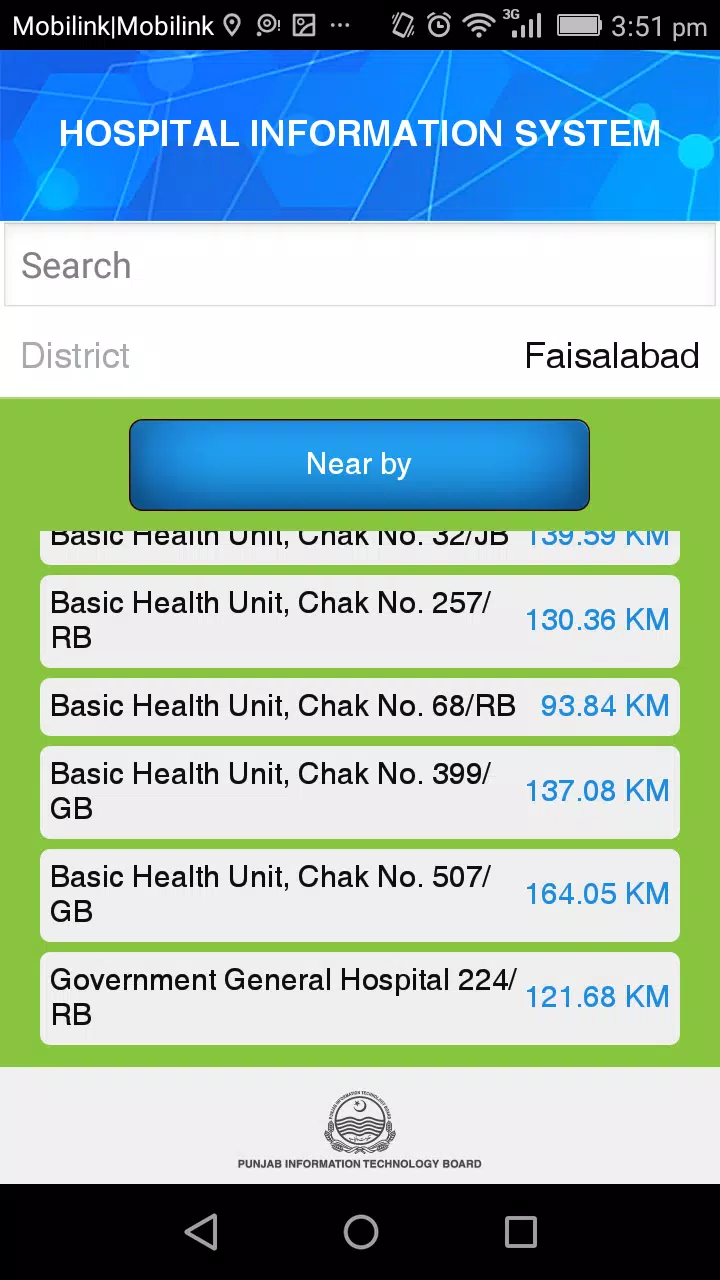
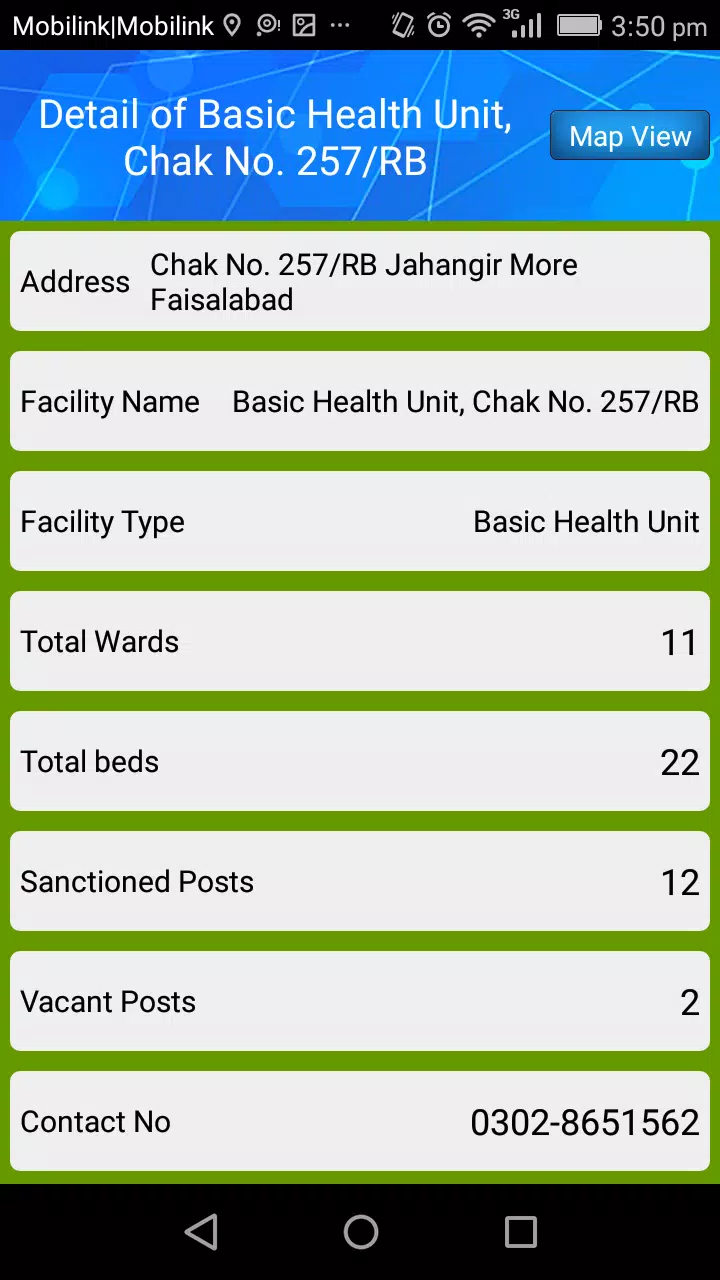
The interface prioritizes clarity: contrast-rich headers, compact tables, and clear iconography reduce cognitive load during busy periods. Performance is optimized for environments with intermittent connectivity; local caching and background synchronization keep essential data available until a stable connection is restored. The Hospital Information System balances rich functionality with fast load times to accommodate high-volume use.
Security and compliance features
Security is embedded in authentication, encryption in transit and at rest, and detailed audit logs. Role-based permissions limit access to sensitive sections, reducing exposure of protected health information. Administrators can configure retention policies and export logs for audits, supporting common regulatory frameworks.
Customization and integrations
The system can be tailored to facility size and specialty. Template editors allow administrators to adapt clinical forms and consent documents. Integration points include HL7, FHIR, and common laboratory and imaging vendors. This extensibility helps the Hospital Information System fit into an existing technology stack instead of forcing a complete overhaul.
Deployment and setup tips
- Start with a pilot unit to validate templates and workflows before a full rollout.
- Train champions in each department to serve as local superusers during go-live.
- Map existing codes and billing rules in advance to reduce reconciliation work later.
- Schedule nightly data backups and periodic performance reviews.
User feedback and practical benefits
Facilities that adopt the Hospital Information System commonly report faster patient throughput, improved billing accuracy, and fewer charting errors. Staff appreciate centralized information and fewer phone calls between departments. Over time, standardized documentation supports quality improvement initiatives and easier reporting for accreditation.
Who should consider this app
This solution fits small hospitals looking to modernize administrative processes as well as larger institutions aiming to replace fragmented systems. IT teams will value the integration options and configurable security settings, while clinical leaders will benefit from workflow-focused tools that reduce documentation burden.
Overall, the Hospital Information System offers a comprehensive set of tools that streamline day-to-day hospital operations and improve information flow. With thoughtful deployment and user training, it becomes an effective backbone for clinical and administrative activity.
Show More
Information
Screenshots

Latest Update












Latest News
-
![Revealing the Launch Playlists and Cross-Progression for COD Warzone Mobile News]()
-
![March 2024 Free Redemption Codes for Honkai: Star Rail News]()
-
PUBG Mobile Teams Up with Bentley Motors: Luxury Cars, Exclusive Collectibles, and Beyond 2024-04-18
![PUBG Mobile Teams Up with Bentley Motors: Luxury Cars, Exclusive Collectibles, and Beyond News]()
-
![Monster Never Cry is now accessible on both Android and iOS mobile devices. News]()
-
V2.2 of the Farlight 84 update introduces an overhauled Season structure, fresh in-game currency, an 2024-04-16
![V2.2 of the Farlight 84 update introduces an overhauled Season structure, fresh in-game currency, an News]()
-
![Arrival of Genshin Impact 4.6 Update: 'Embers of Two Realms, Twilight of Crimson' News]()
-
April 2024 Clash of Clans Update: Unveiling a Fresh Companion, Enhanced Levels, Chat Tagging, and Be 2024-04-16
![April 2024 Clash of Clans Update: Unveiling a Fresh Companion, Enhanced Levels, Chat Tagging, and Be News]()