

Zaliha Kiraz
Version:2.3
Published:2026-08-24
Introduction
Zaliha Kiraz is a health and wellness tracker designed to help users measure change, plan nutrition, and stay motivated through clear visual records and straightforward analytics. Zaliha Kiraz opens with a simple onboarding flow that asks about goals, baseline measurements, and dietary preferences so the app can suggest an initial plan without overwhelming new users. The interface emphasizes easy daily interactions—entering a measurement, snapping a progress photo, or logging a meal should take only a few seconds so habits stick over time.
Core features and daily mechanics
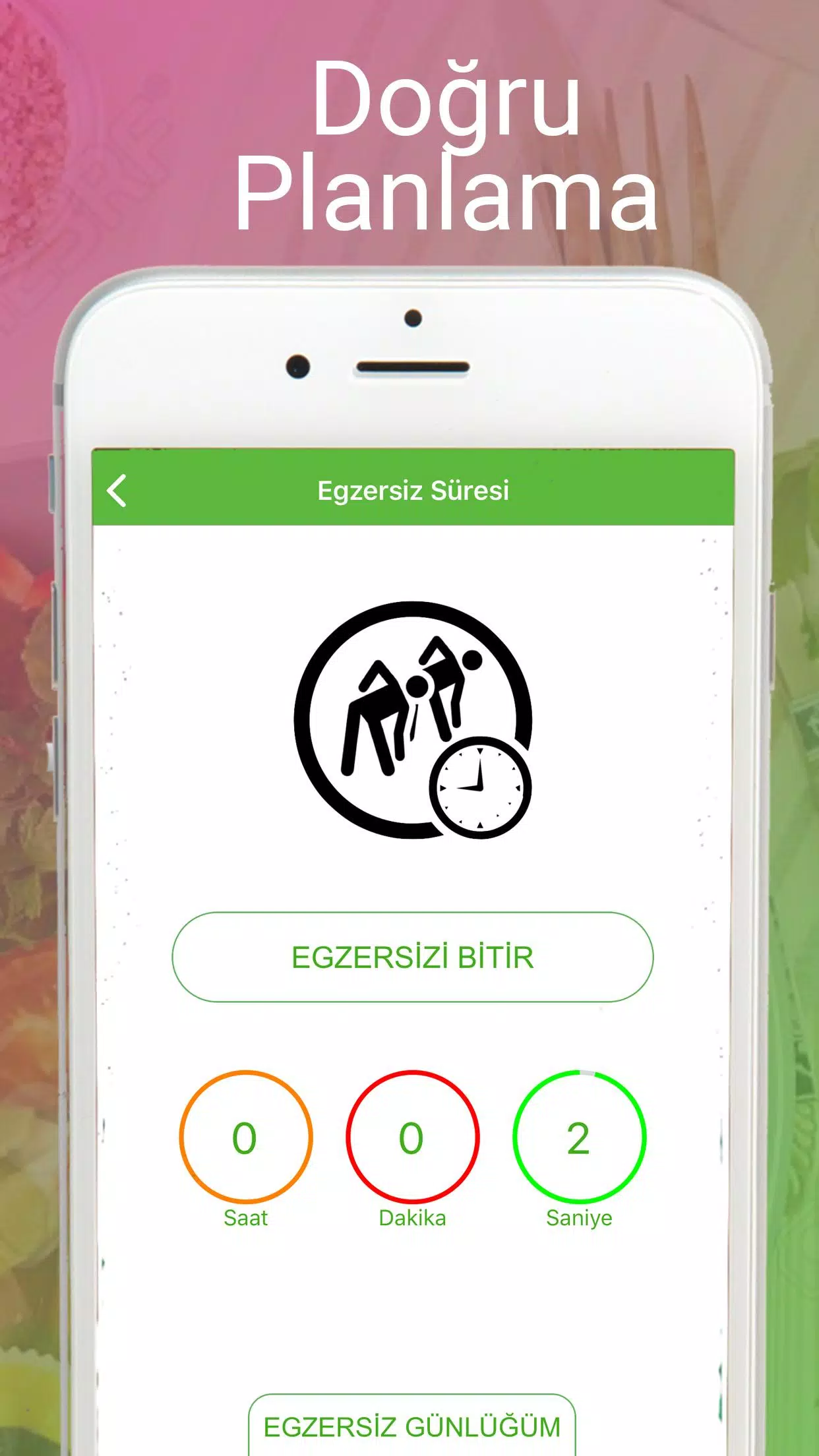
The app centers on repeatable habits and measurable progress. Users record body measurements and dietary inputs on a daily or weekly cadence, and the app translates those entries into trend charts and milestone markers. Progress is reinforced with before-and-after photos and a timeline view that highlights consistent improvements and temporary setbacks. Nutrition plans are personalized based on the initial questionnaire and then adjusted as the user records results; this creates a feedback loop where entries influence future suggestions and make the plan progressively more relevant.
Controls and user interaction
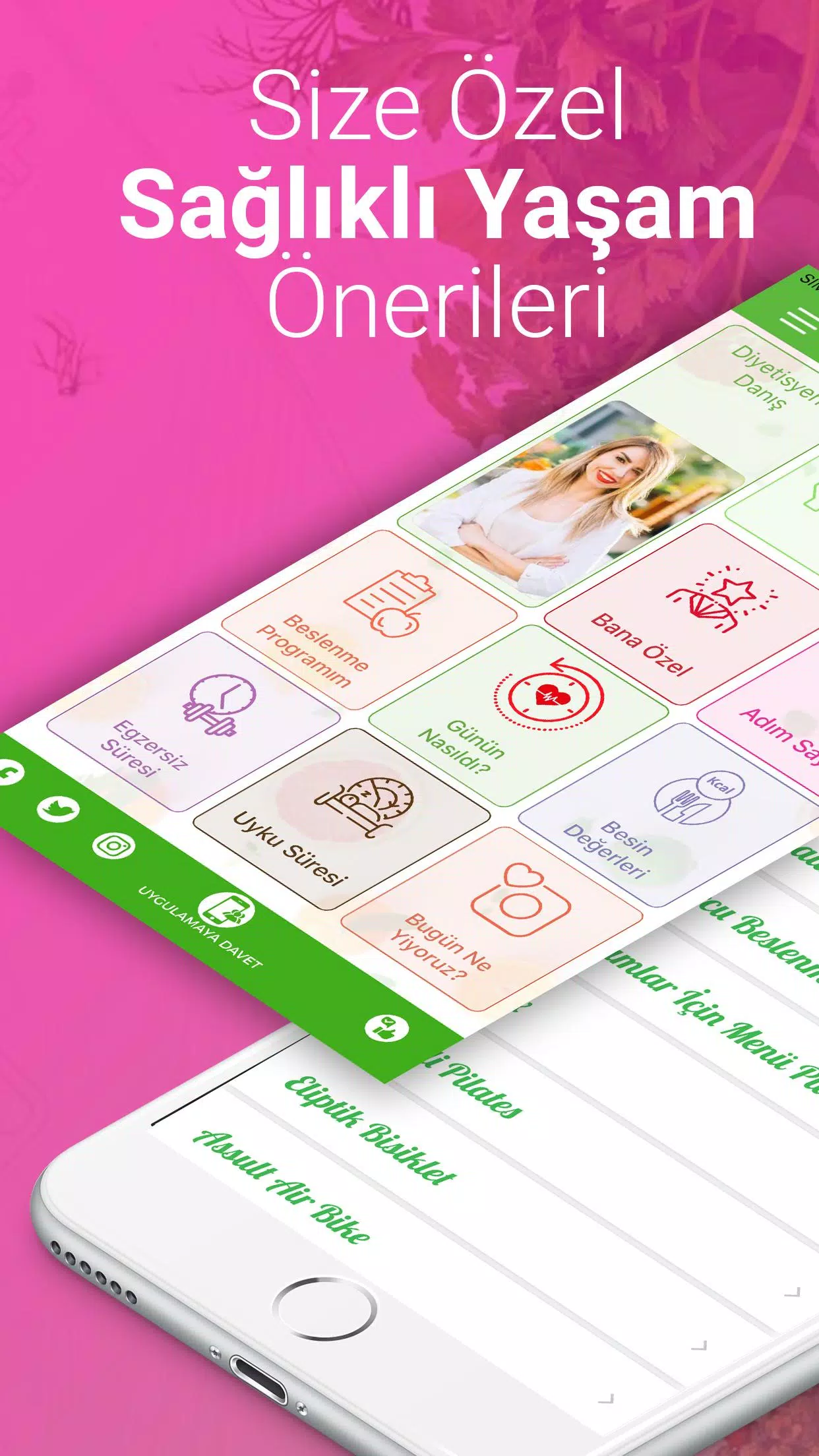
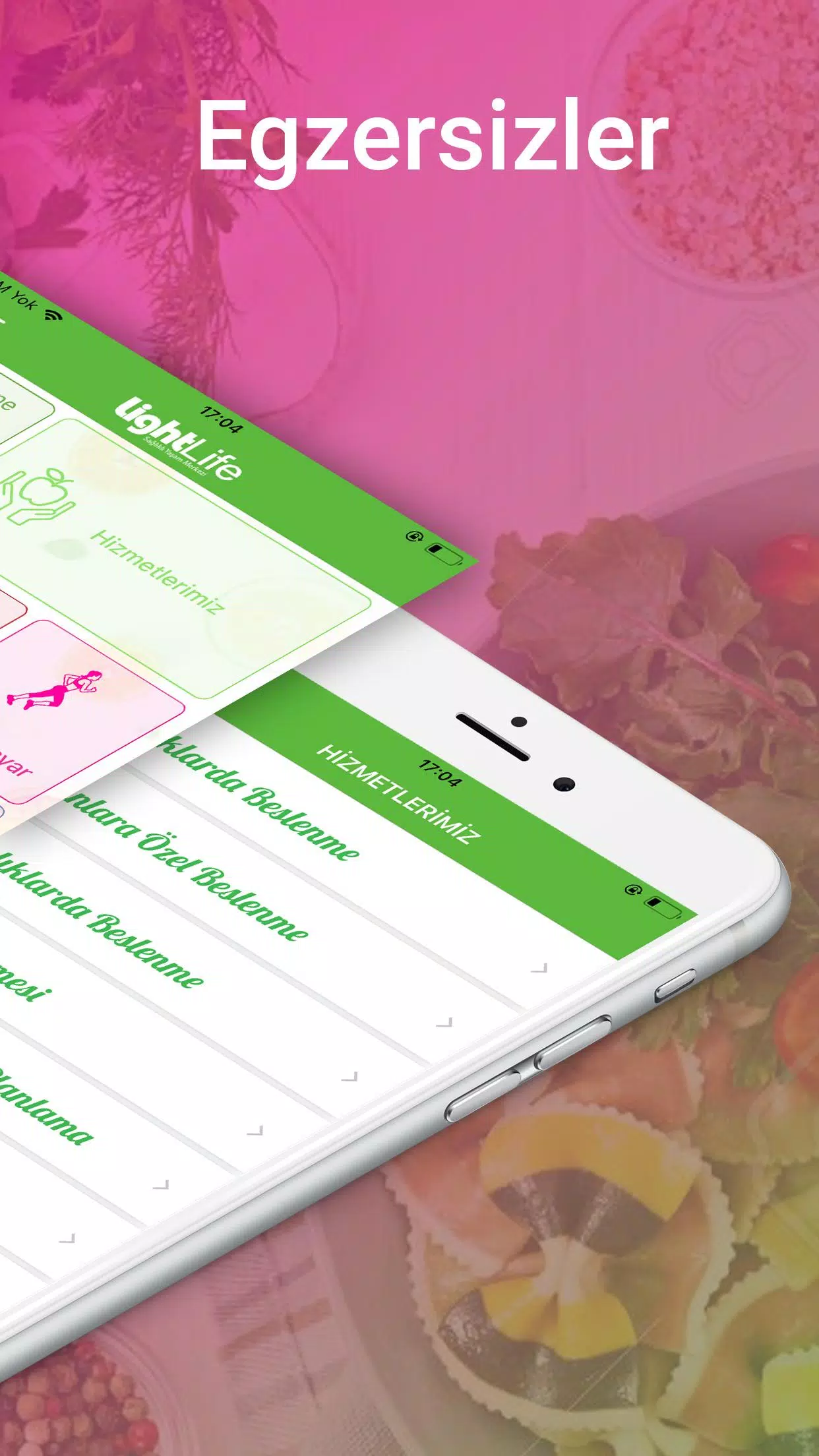
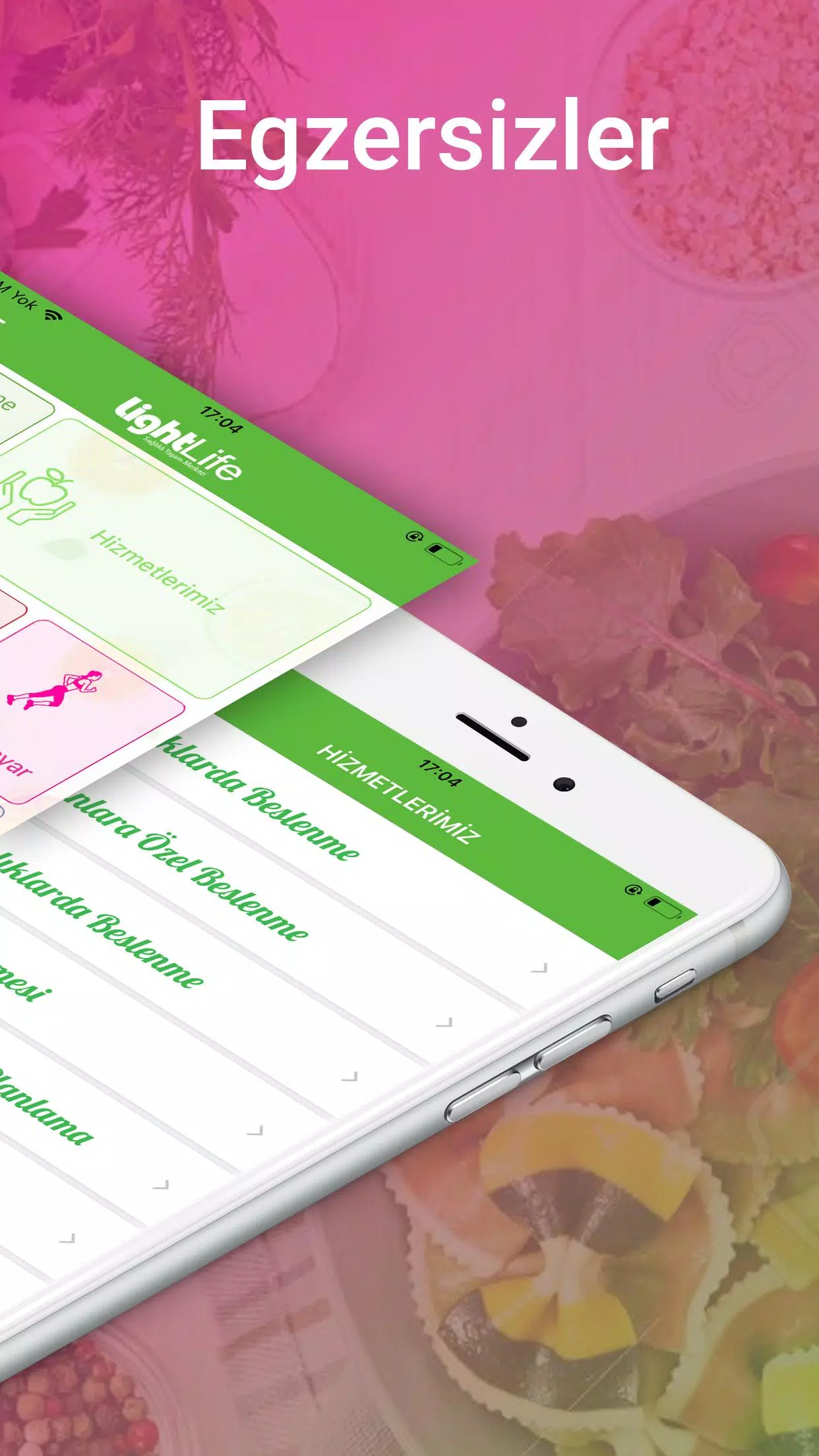
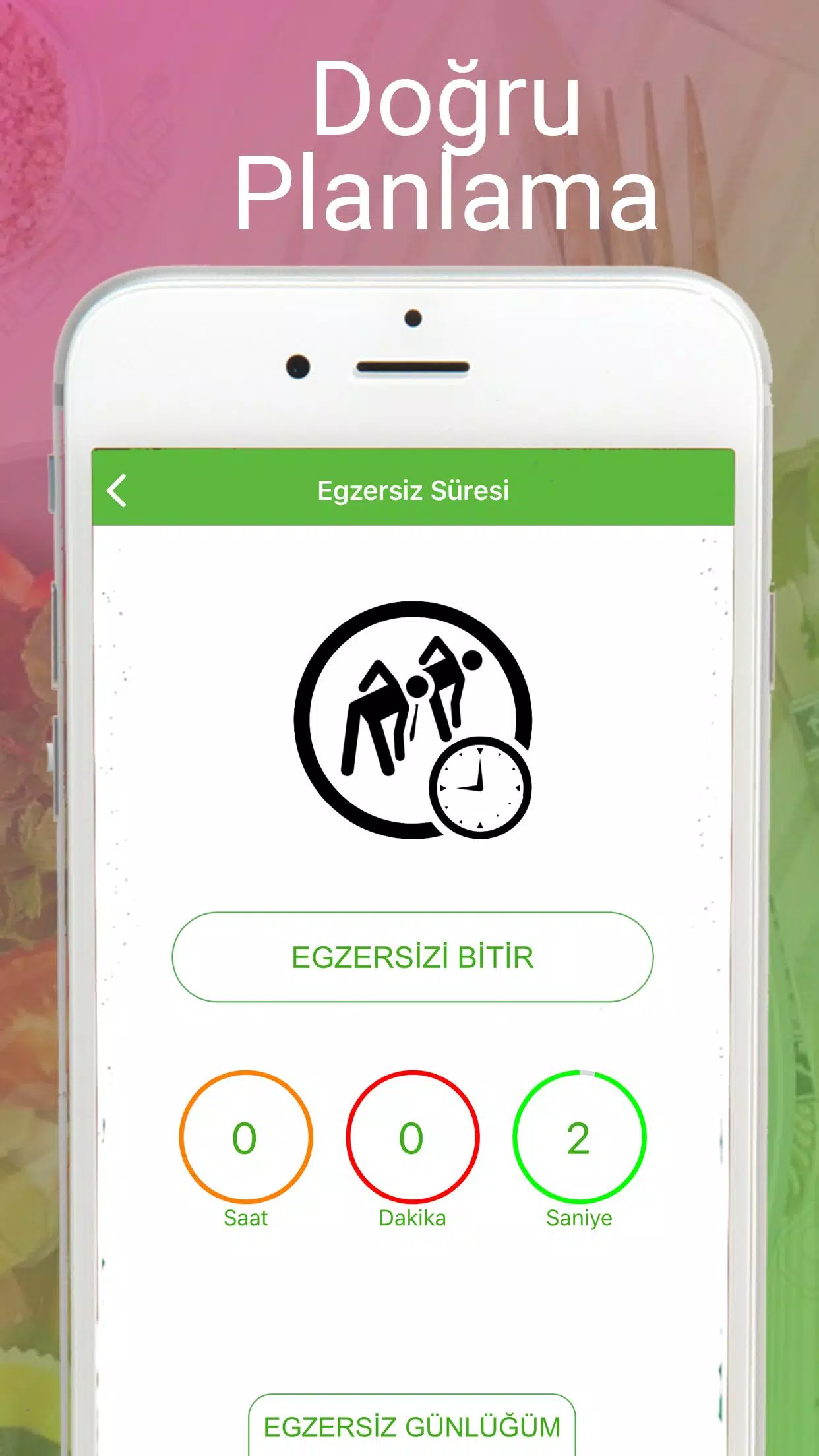
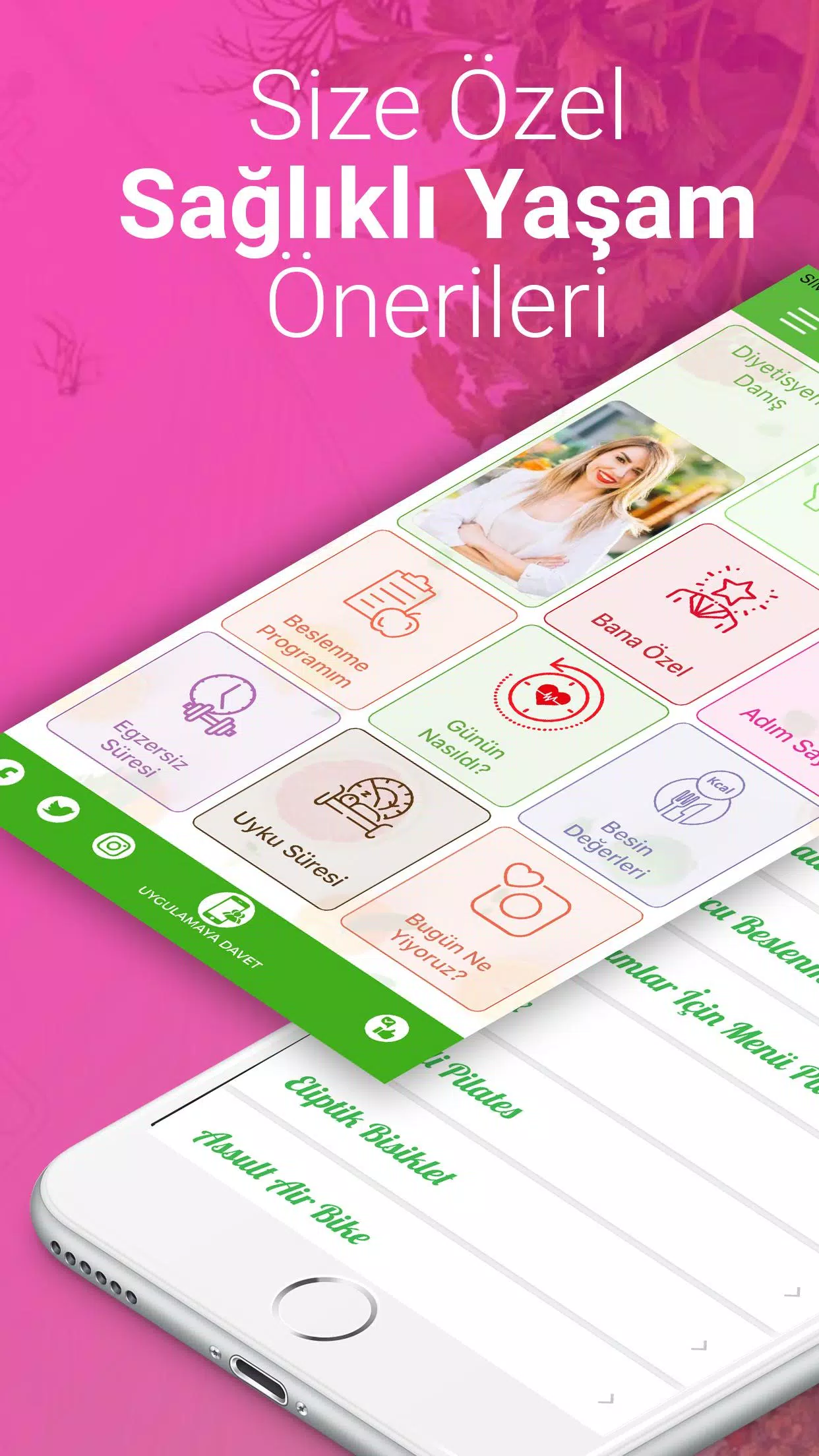
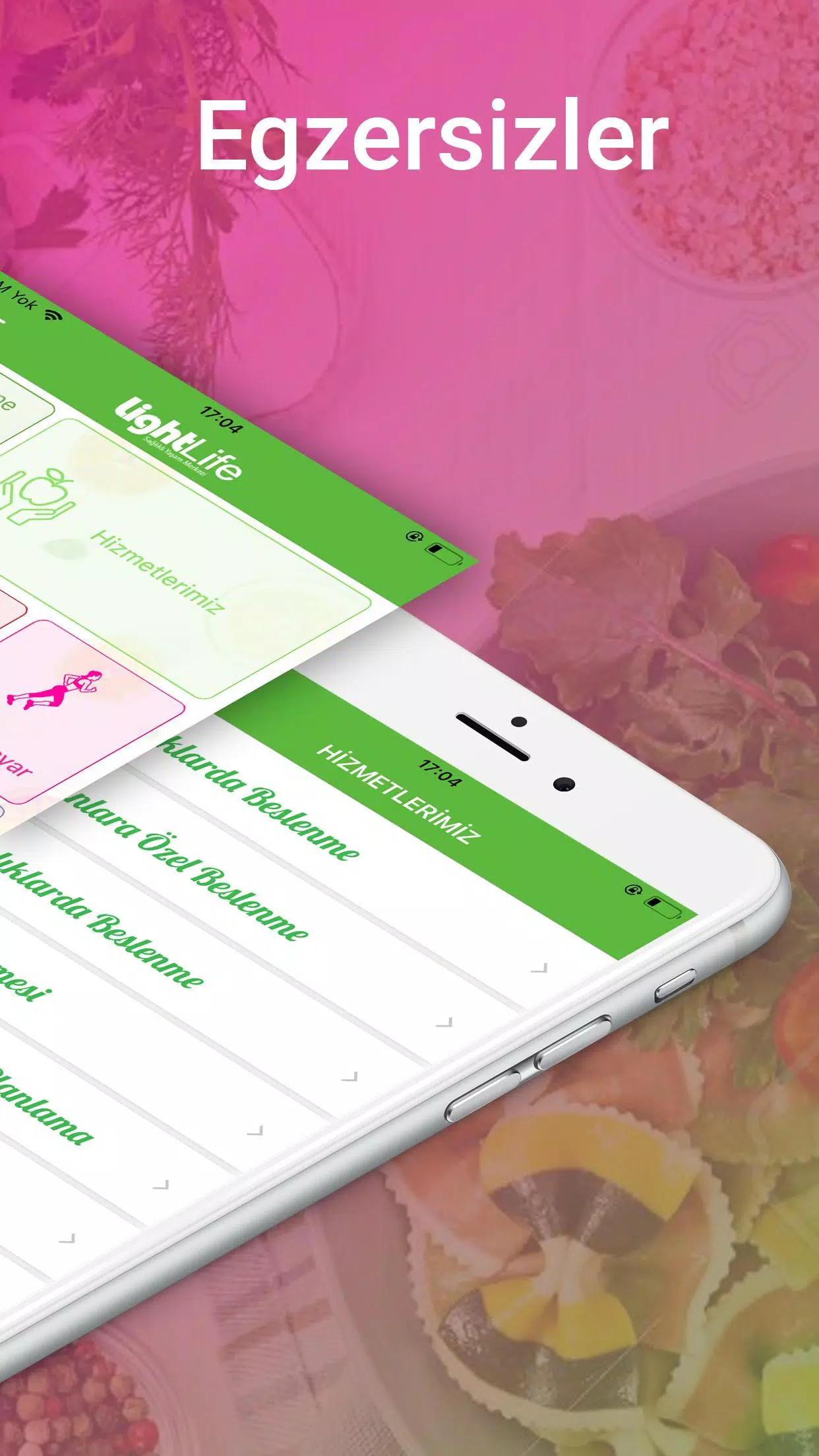
Zaliha Kiraz keeps controls familiar and accessible: swipe between dashboard cards, tap to edit a measurement, and use a guided photo capture tool for consistent before-and-after images. Data entry uses large, tappable fields and clearly labeled units so switching between metric and imperial measurements is straightforward. Menus are organized by task—Track, Plan, Messages, and Profile—so users learn the layout quickly. Where appropriate, contextual tips appear to explain a metric or to suggest the next small action, reducing friction for users who are new to structured tracking.
Progression systems and motivation
Progression in the app is built around achievable goals and layered phases rather than abstract targets. Users set short-term targets and longer-term objectives; the app breaks these into weekly focus areas and suggests small, concrete adjustments when trends stall. Milestone markers on the timeline show when a user has hit a target or completed a program phase, and the progress dashboard highlights trends like rate-of-change and consistency so people can see how small actions add up over weeks and months. This approach supports sustainable behavior change rather than quick fixes.
Visual style and level structure
The visual design is intentionally calm and uncluttered: high-contrast typography, a neutral color palette for charts, and clear photo thumbnails for the progress gallery. Information density is tuned to avoid overwhelming the user—each screen focuses on one task or insight. Structured programs are presented as progressive levels or phases, each with a recommended set of actions and checkpoints; users can move through phases at their own pace and revisit earlier steps when needed to refine habits.
Customization and personalization
Personalization is a core part of the experience. Nutrition plans adapt to food preferences and restrictions provided during setup, and measurement units, notification cadence, and privacy settings can be customized from the profile screen. Users can tailor the depth of guidance they receive—choosing a light-touch mode for minimal prompts or a more guided mode that includes regular check-ins and suggested adjustments. The app also allows targeting specific areas of interest such as weight management, muscle tone, or general well-being, which refines the suggested actions and tracking priorities.
Replay value and long-term use
The app encourages repeated engagement through visible trends and practical utility: tracking remains valuable because historical data helps diagnose what worked or didn’t. Seasonal adjustments and the ability to create new goals keep the experience fresh, while the timeline and photo gallery provide a compelling archive that rewards continued use. Regularly updated insights help users discover small optimizations over time, boosting long-term retention without relying on gimmicks.
Accessibility, offline use, and data handling
Accessibility considerations include adjustable font sizes, clear contrast for readability, and simple navigation that works well with screen readers. Basic tracking and photo capture are supported offline so users can log entries without an immediate connection; recorded data syncs securely when the device returns online. The app emphasizes privacy controls, allowing users to manage who sees their photos and whether they share summary exports with a clinician or dietitian.
Support, limitations, and team
Zaliha Kiraz provides an option to connect with a dietitian for personalized advice and real-time feedback when professionals are available, but it is not a substitute for medical diagnosis or emergency care. The app’s effectiveness depends on consistent participation and honest data entry; some advanced support features require professional involvement which may not be available in all regions. Zaliha Kiraz is developed by Ata Bilişim, and the team focuses on iterative improvements driven by user feedback and evidence-informed best practices to keep the app practical and reliable for everyday use.
Show More
Information
Screenshots
Latest Update










Hot Tags
Latest News
-
![Revealing the Launch Playlists and Cross-Progression for COD Warzone Mobile News]()
-
![March 2024 Free Redemption Codes for Honkai: Star Rail News]()
-
PUBG Mobile Teams Up with Bentley Motors: Luxury Cars, Exclusive Collectibles, and Beyond 2024-04-18
![PUBG Mobile Teams Up with Bentley Motors: Luxury Cars, Exclusive Collectibles, and Beyond News]()
-
![Monster Never Cry is now accessible on both Android and iOS mobile devices. News]()
-
V2.2 of the Farlight 84 update introduces an overhauled Season structure, fresh in-game currency, an 2024-04-16
![V2.2 of the Farlight 84 update introduces an overhauled Season structure, fresh in-game currency, an News]()
-
![Arrival of Genshin Impact 4.6 Update: 'Embers of Two Realms, Twilight of Crimson' News]()
-
April 2024 Clash of Clans Update: Unveiling a Fresh Companion, Enhanced Levels, Chat Tagging, and Be 2024-04-16
![April 2024 Clash of Clans Update: Unveiling a Fresh Companion, Enhanced Levels, Chat Tagging, and Be News]()